
Last updated November 23, 2026
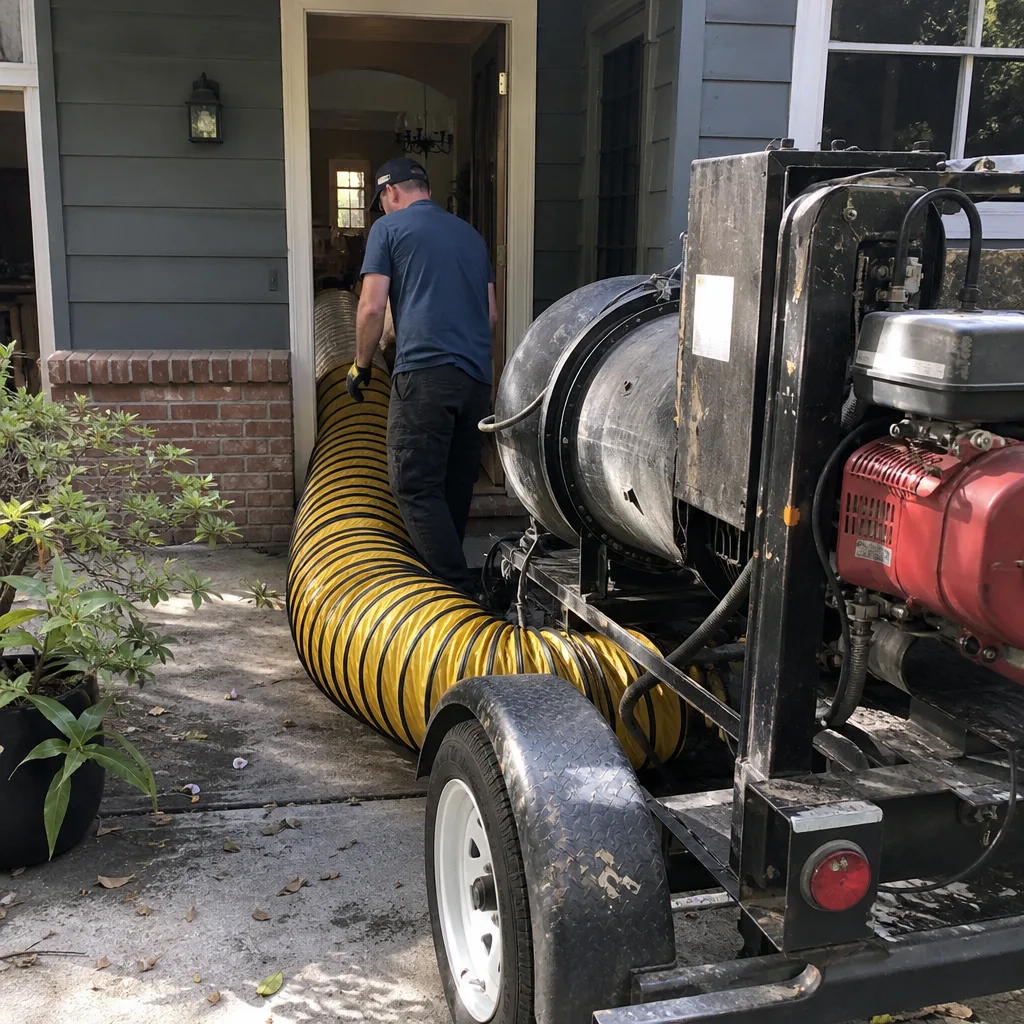
 Whole-home duct cleaning
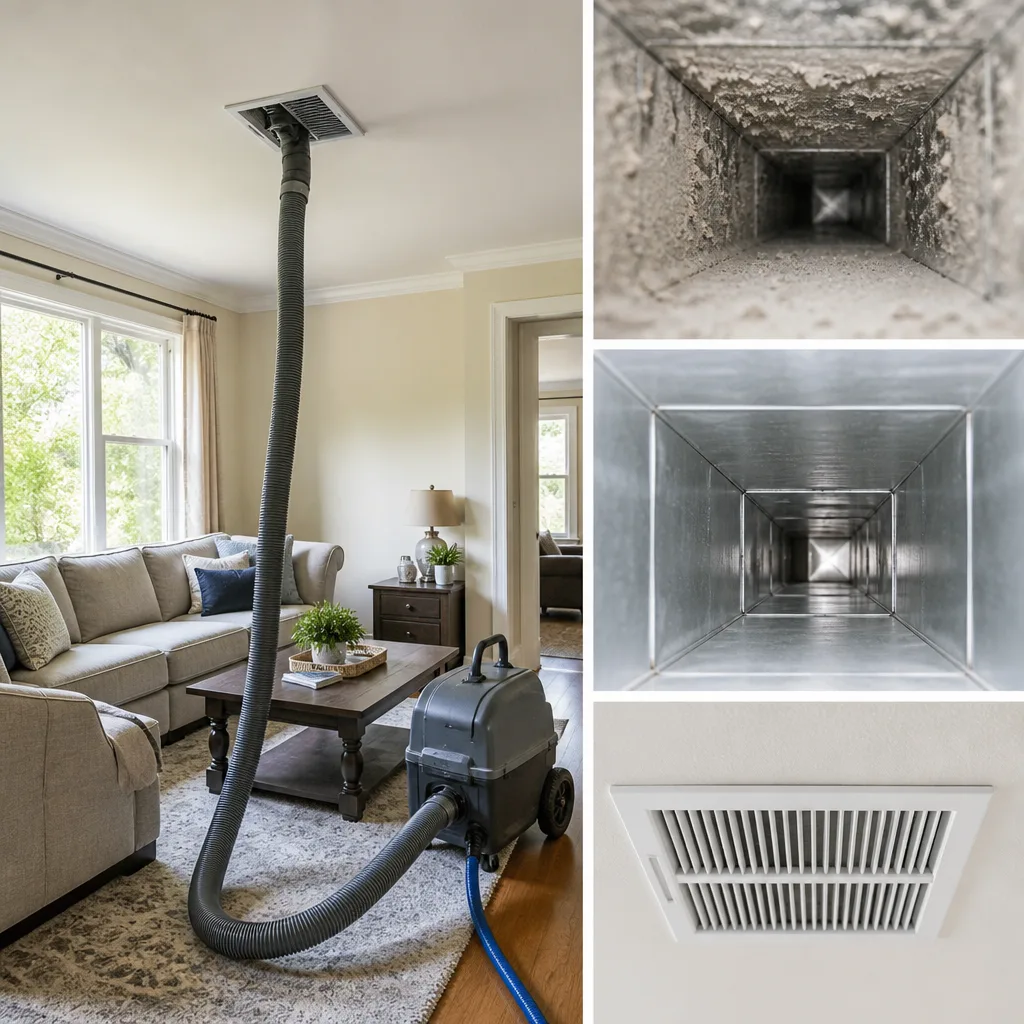
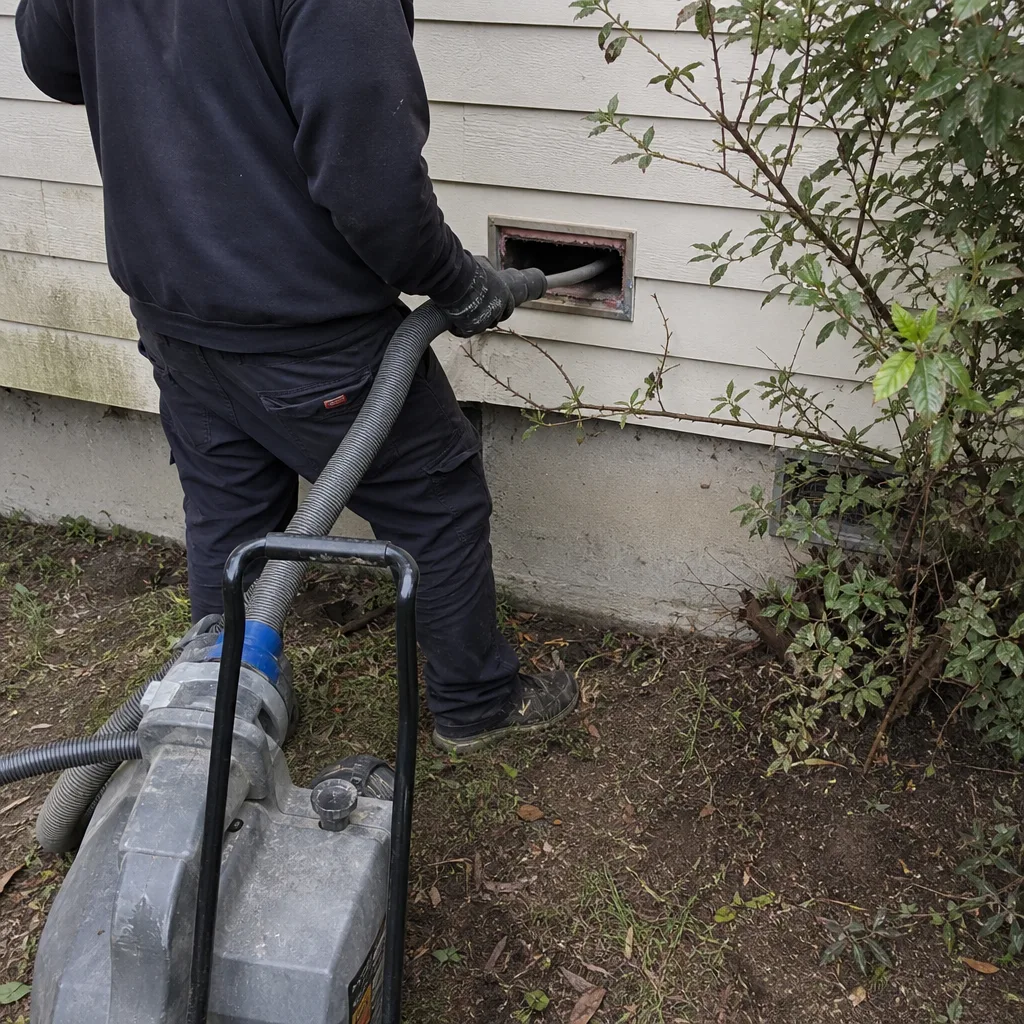
 Dryer vent cleaning
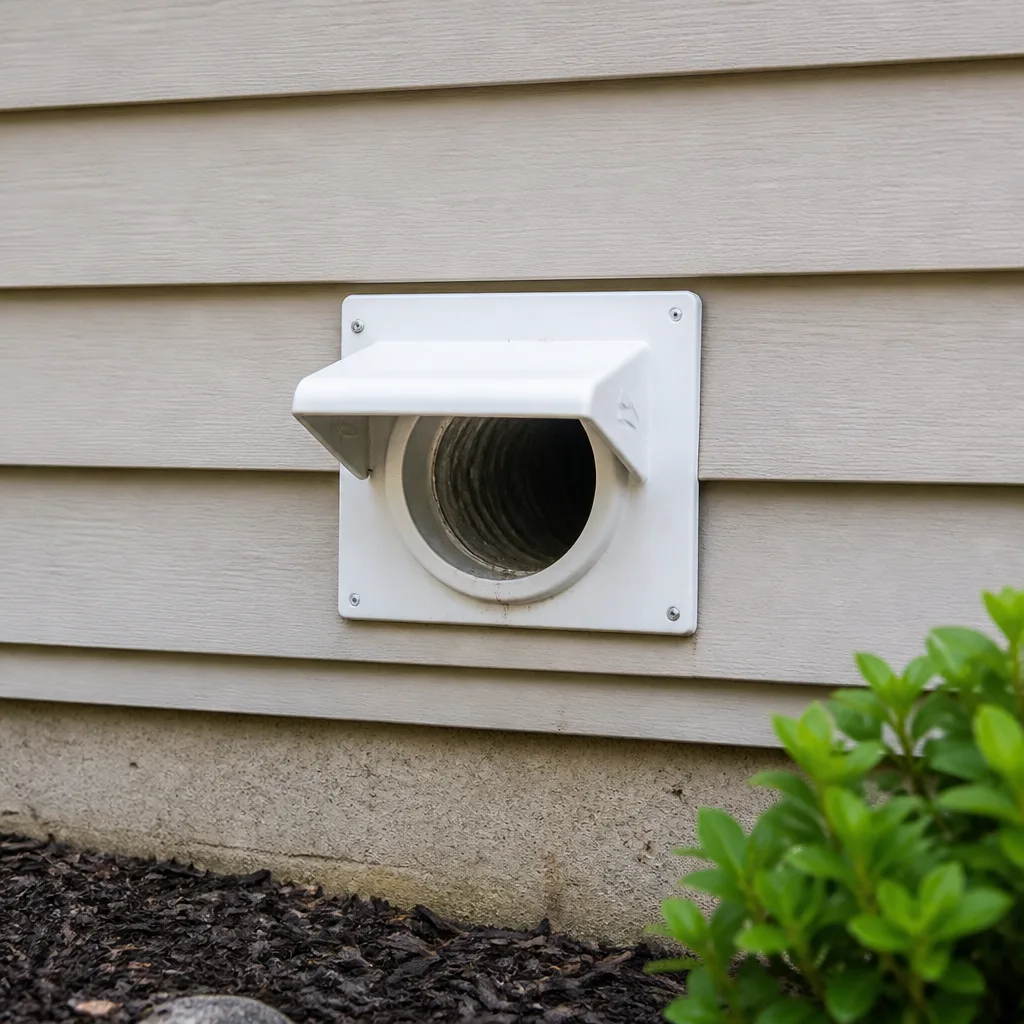
 Camera inspection
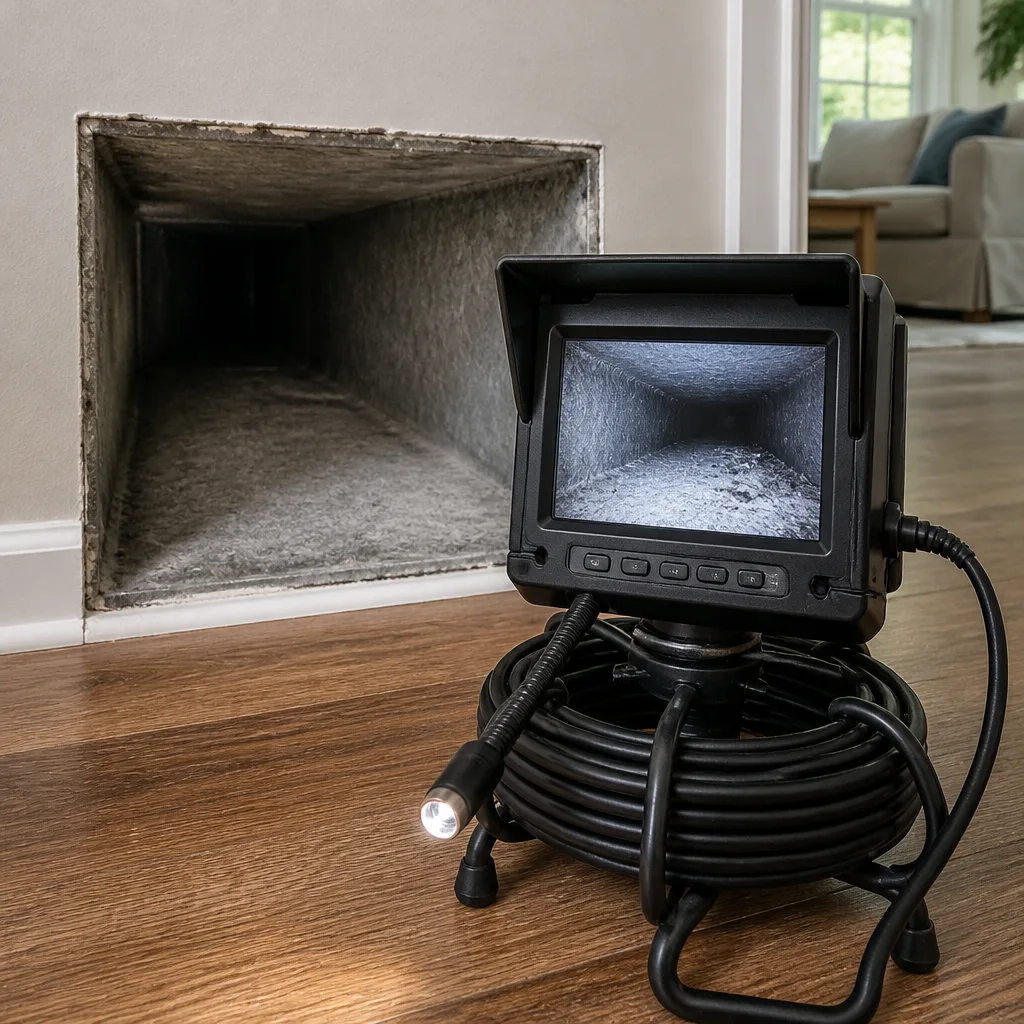
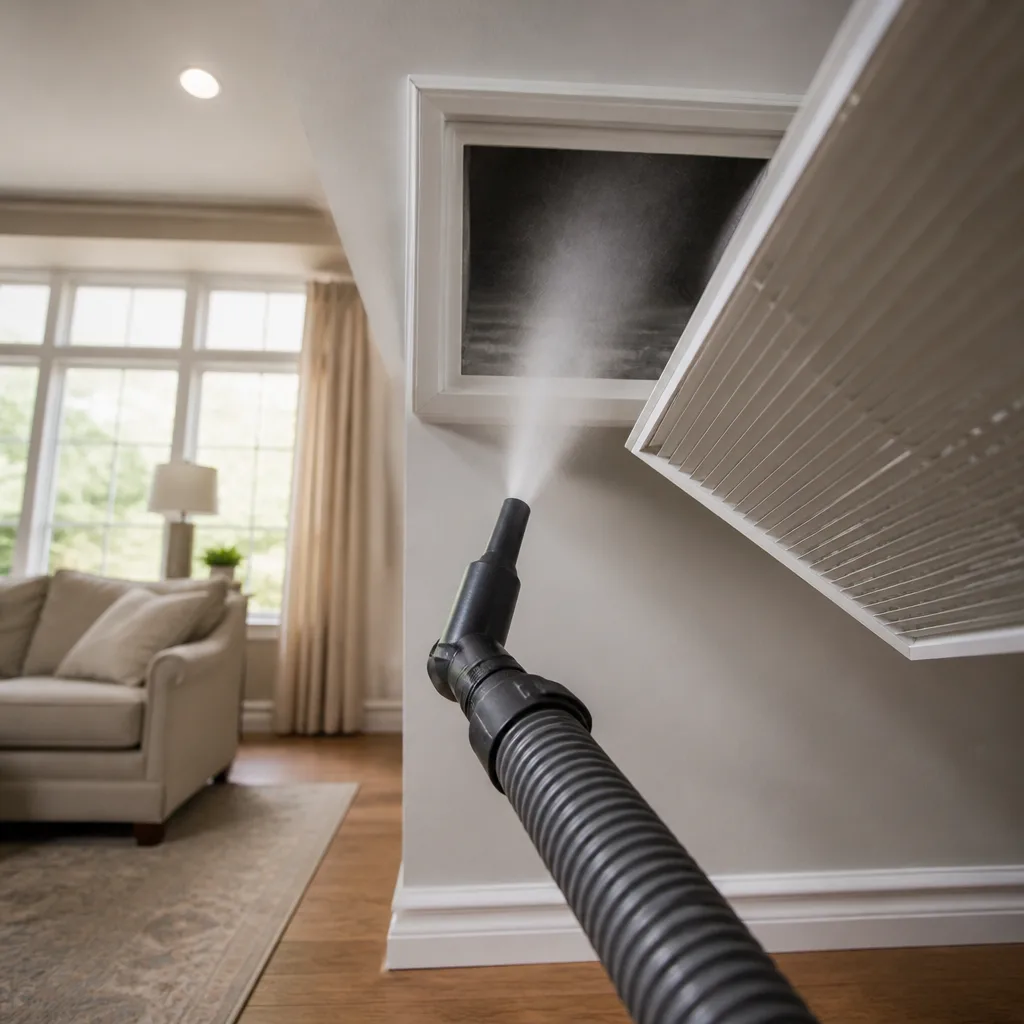 Sanitizing & deodorizing
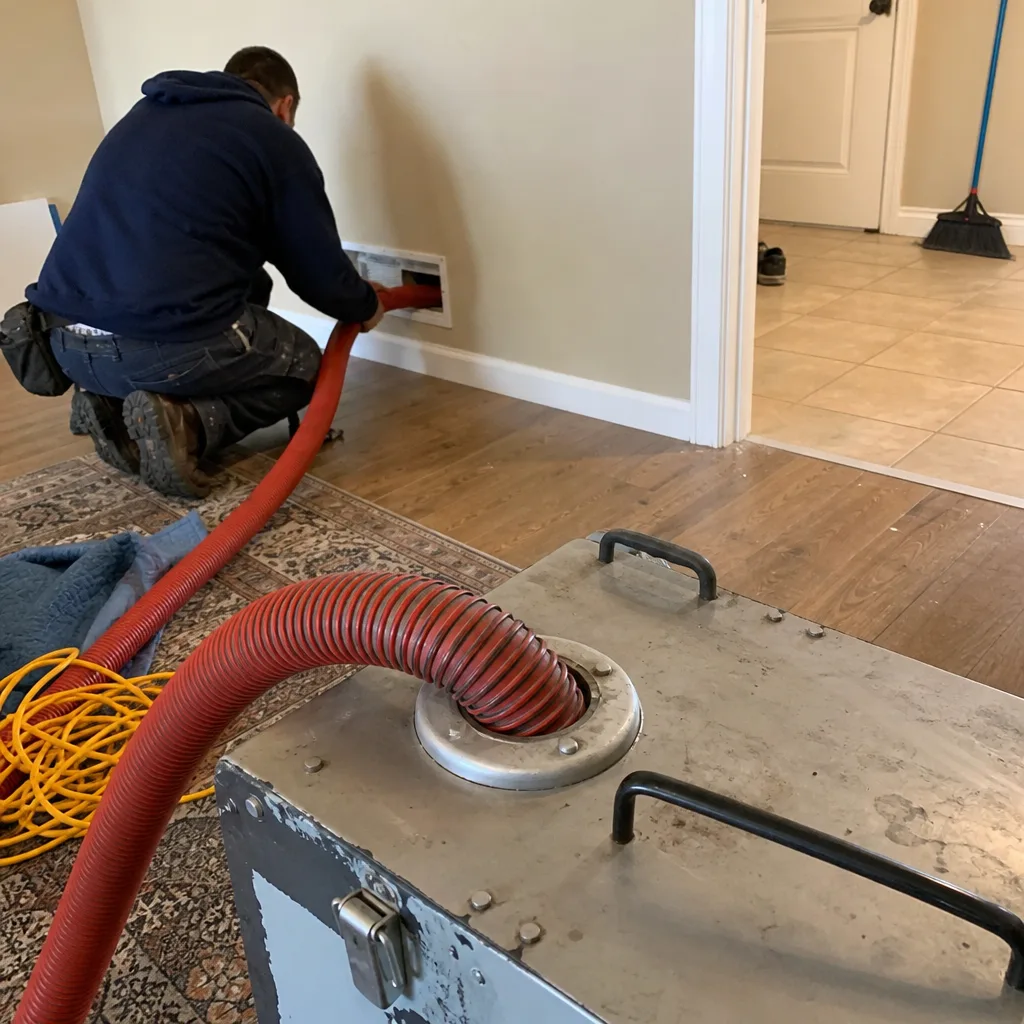
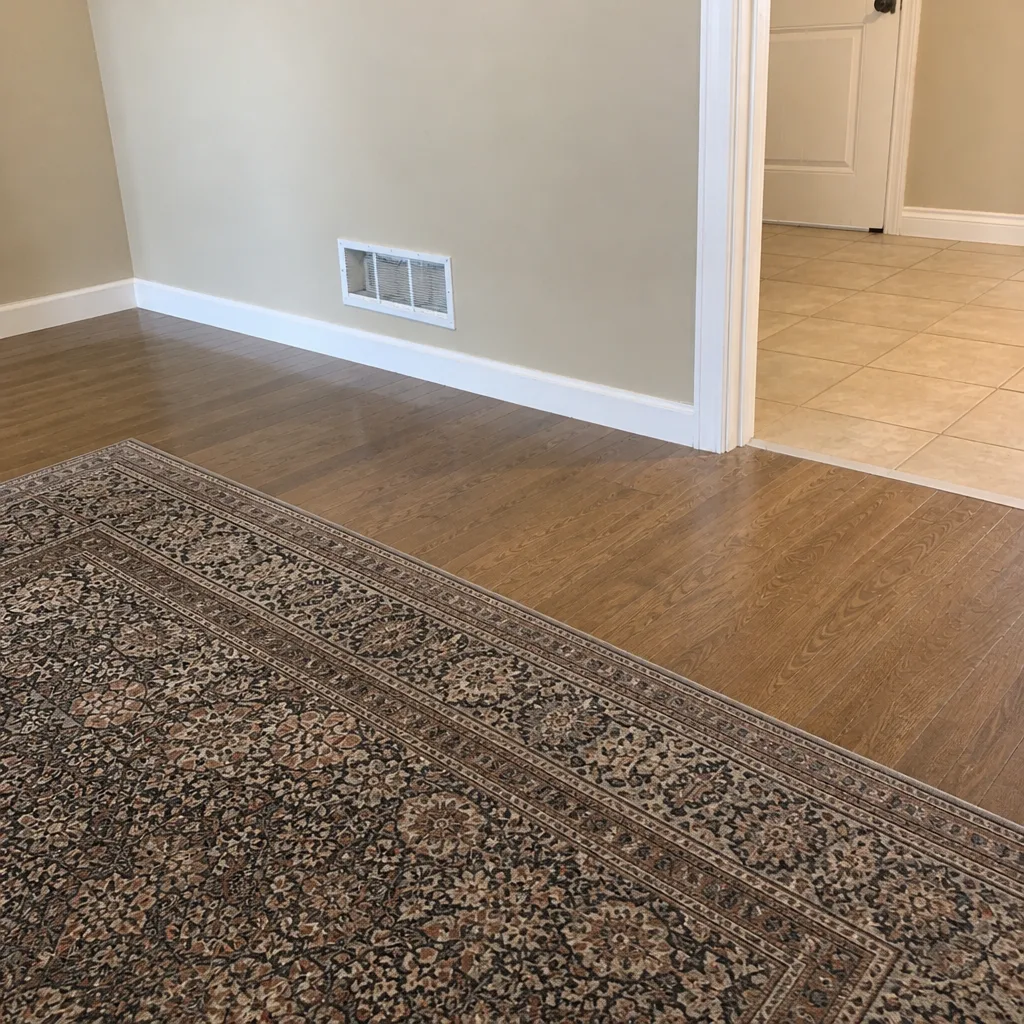
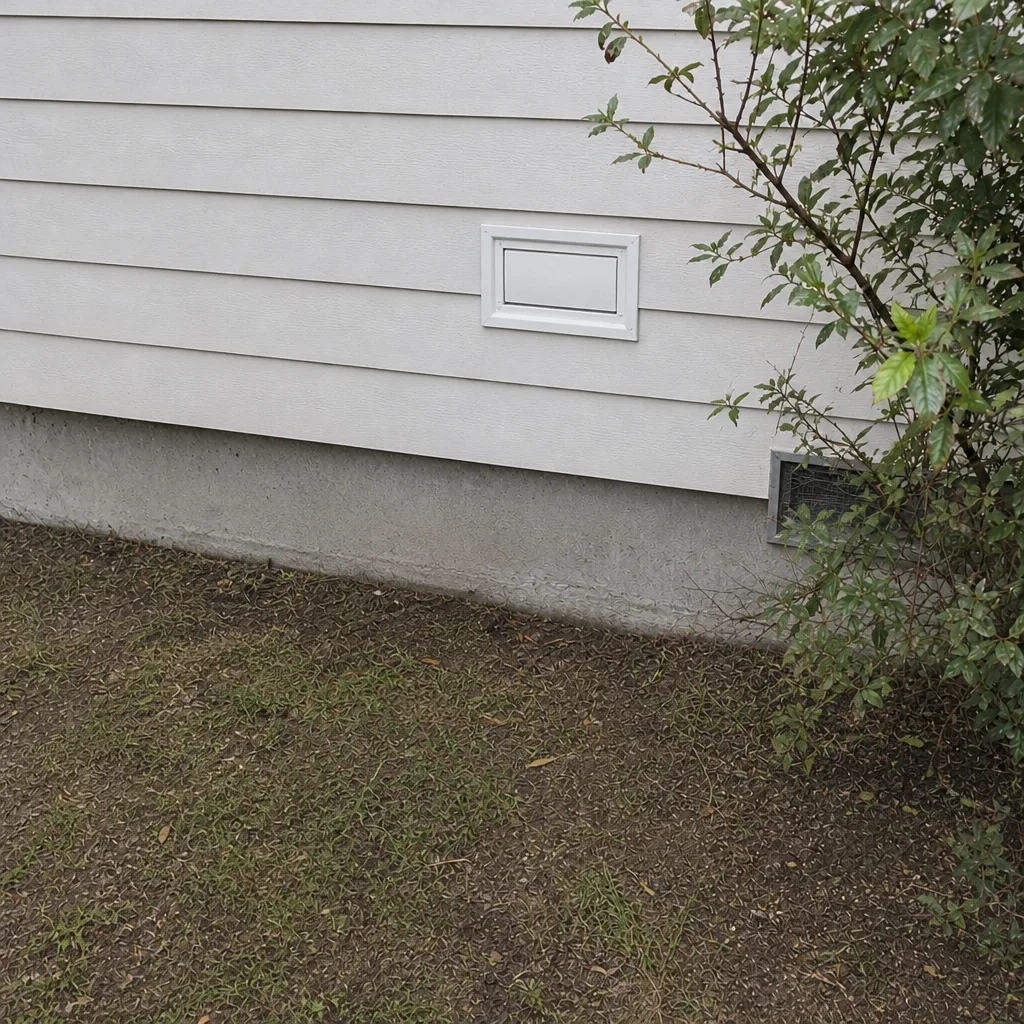
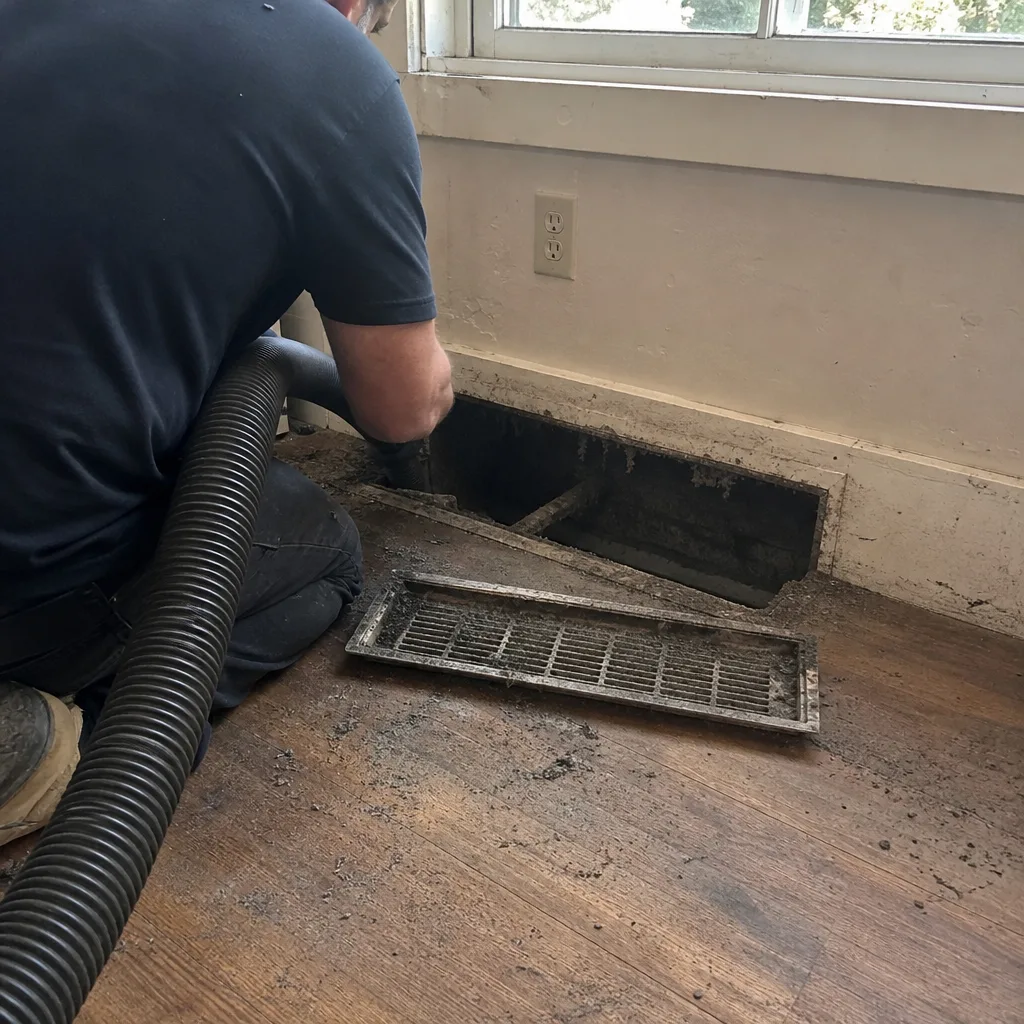
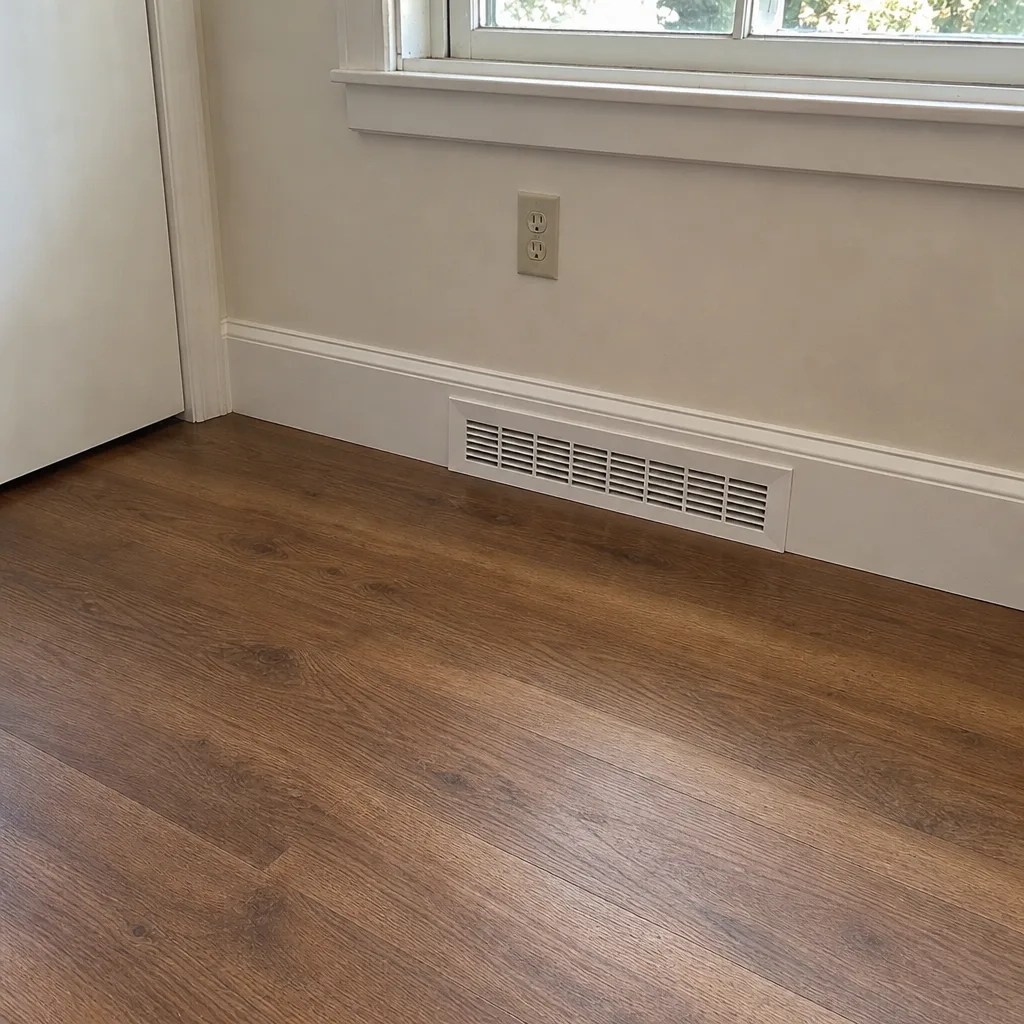
Whole-system duct and dryer vent check with before-and-after photos - you see exactly what came out of your vents
That "$99 whole-house special" is a bait ad - the real number appears once they are in your hallway, or the "clean" is a shop-vac at the register. We photograph the inside of your ducts before and after instead.
Air Duct Cleaning Permits, Codes & Inspections in Kent, WA: What You Need to Know
Here’s the part most homeowners don’t hear until something goes wrong: the cleaning itself usually doesn’t need a permit, but the repair work a cleaning job uncovers often does. If a technician finds a collapsed duct section, re-routes flex duct, or cuts in a new access panel while cleaning your system in Kent, that’s an alteration under the Washington State Mechanical Code, and skipping the paperwork can complicate a later insurance claim or a home sale. This guide walks through exactly which duct tasks trigger a mechanical permit, how to tell maintenance from alteration, how to check the City of Kent permit portal, and what a code-compliant duct repair actually looks like.
Quick Answer
Routine air duct cleaning in Kent, WA does not require a permit. Duct repair, re-routing, adding access panels, or modifying the air distribution system generally falls under the Washington State Mechanical Code (WAC 51-52) and may require a mechanical permit from the City of Kent. Verifying the permit before work begins protects your insurance coverage and keeps a future home inspection clean.
Styles & brands we work with
- Whole-home duct cleaning
- Dryer vent cleaning
- Camera inspection
- Sanitizing & deodorizing
Table of Contents
- Permit versus maintenance: which duct work needs approval
- What WAC 51-52 actually says about duct work
- Duct tasks that trigger a mechanical permit in Kent
- How to verify a contractor pulled the right permit
- What a code-compliant duct repair looks like
- Inspections, and why your home sale can hinge on them
- How this ties to HVAC cleaning and dryer vent work
- Common mistakes to avoid
Permit versus maintenance: which duct work needs approval
The cleanest way to understand this is to separate two ideas that get blurred constantly: maintenance and alteration. Cleaning, vacuuming, and sanitizing the inside of existing ductwork is maintenance. You’re servicing what’s already there without changing its shape, routing, or capacity. No permit is involved in a maintenance call, and that includes the source-removal work our technicians do with air duct cleaning equipment.
Alteration is different. When the physical air distribution system changes, even a little, that’s when permits enter the conversation. Some examples that come up on Kent jobs:
- Replacing a length of crushed flex duct after it was discovered behind a wall or under flooring.
- Re-routing a run because a remodel, an added closet, or a kitchen rearrange left the original path unusable.
- Cutting a new access panel or enlarging an existing one to reach a section that was previously inaccessible.
- Adding or removing a supply or return branch to serve a new room or balance airflow differently.
- Sealing large sections where the sealing changes the configuration of the air delivery system, not just seals a joint.
Not every one of these triggers a permit. The line depends on scope: replacing one crushed section in-kind is one thing, while redesigning how the system moves air through a Kent house is another. That’s why the question to ask before work is not “do I need a permit?” but “what exactly is being changed, and does that change cross the threshold?” A reputable contractor will answer that without prompting, and will pull the permit if it’s needed rather than work around it.
What WAC 51-52 actually says about duct work
The Washington State Mechanical Code is adopted as WAC 51-52 and, through local adoption, is what the City of Kent enforces. You don’t need to read the whole thing. You do need to know the parts that matter for duct work, and those come down to a few core ideas. Permit-required work covers installation, alteration, replacement, and repair of mechanical systems, with routine maintenance carved out separately. Duct materials, joint sealing, and support are all spelled out so that supply air stays in the ducts and returns get filtered, which is the whole point of the code.
When a contractor tells you a repair is “just a duct fix, no permit needed,” the follow-up question is simple: is this a replacement in-kind or a change to the system? A same-size, same-material length of duct swapped for the identical length is often maintenance-adjacent. A re-route, a new penetration in the building envelope, or a change to the supply/return layout is more likely to need review.
Our technicians have up to 8 years of experience, which in practice means they’ve seen plenty of Kent homes where the question comes up mid-job. In our experience, the honest answer for most duct repair is: get the permit when the work changes the system, and document everything either way. A permit isn’t a complication for you as the homeowner. It’s a paper trail that the work was reviewed and inspected.
Duct tasks that trigger a mechanical permit in Kent
Here’s a practical breakdown of the tasks that come up most often and where each one usually lands. This is guidance, not a ruling: confirm the specific project with the City of Kent building department before work starts, because scope and interpretation can vary from case to case.
- Replacing a crushed or disconnected duct section, in-kind, same size and material. Often maintenance. Document with photos before and after.
- Re-routing a duct around a remodel or a new wall. Typically alteration. Expect a permit.
- Adding a new supply branch to serve a room. Alteration. Permit likely required.
- Cutting a new access panel to reach inaccessible ductwork. Usually a structural cut plus a mechanical change; ask the city whether a permit applies.
- Sealing joints, seams, and small gaps with duct mastic or UL 181-rated tape. Maintenance in most cases when the system layout doesn’t change.
- Replacing rigid duct with flex or changing duct sizing. Alteration. Permit likely required.
- Repairing a duct that passes through a wall or floor assembly and needs firestopping. Alteration plus life-safety detail; permit likely required, and inspection almost certain.
The middle sections of the list are the ones contractors skip, and that’s the problem. Skip the permit on a re-route, and the work still looks fine, so nothing flags it at the time. It surfaces later, in a home inspection or an insurance review, when the paper trail has to match the work done. For Kent homeowners, the practical rule is: any duct work that changes the shape or routing of the system is a permit conversation, and it should happen before the technician starts cutting.
How to verify a contractor pulled the right permit
This is the part most homeowners can do in a few minutes. The City of Kent has an online permit portal, and duct-related mechanical permits are searchable there. The idea is to confirm that a permit exists, that the scope on the permit matches the work being done, and that the permit is listed under the right contractor or the homeowner of record.
A straight sequence that works:
- Ask for the permit number in writing before work starts. A contractor who is pulling permits has the number ready. One who isn’t will often deflect.
- Search the City of Kent permit portal by the address and the permit number. Confirm the permit is issued, not merely applied for.
- Read the scope on the permit record. It should describe the duct repair or change you agreed to, not a generic “mechanical work.”
- Match the contractor on the permit to the company on your contract. If a subcontractor of record is doing the work, that’s fine, but it should be visible on the permit.
- Confirm the permit is closed after the final inspection. A permit left open is nearly as bad as one never pulled.
Most homeowners don’t think to check a permit portal until they’re selling the house. That’s backwards. The check takes five minutes while the work is scheduled, and it saves a scramble later. It’s also the single most effective filter against bait-and-switch duct work, because a contractor who is careful about permits tends to be careful about everything else.
What a code-compliant duct repair looks like
You don’t need to inspect the work yourself to know whether it was done right. You do need to know what “right” looks like so you can ask the right questions. A compliant duct repair is a sealed repair, a supported repair, and a documented repair. Here’s the checklist:
- Sealing material: duct mastic or UL 181-rated tape, applied to clean surfaces. Cloth-backed “duct tape” is not an acceptable sealant for supply ductwork and comes loose.
- Support spacing: flex duct supported at regular intervals per code, without sagging or pinching that chokes airflow. A technician should be able to point out the supports.
- No crushed sections: round duct that has been flattened, kinked, or compressed at a fitting restricts airflow and defeats the point of the repair.
- Clean transitions: where flex meets rigid, or where a duct penetrates a wall, the connection is mechanically secured and sealed, not pushed and taped over.
- Firestopping where required: where ducts pass through rated assemblies, the penetration is firestopped according to the plan.
- Photos on both sides: before and after photos of the repair, kept with the invoice. This is your proof that the work happened as described.
The reason this matters in Kent specifically is that a lot of local housing stock was built or reworked over the years, and duct systems get patched over time. The repair that looks fine from the ceiling access panel can be the one that’s crushed on the other side of the wall. Cleaning without repair, in those cases, doesn’t deliver what you paid for. Our approach is to find it, show it, fix it, and seal it, using Rotobrush and Nikro equipment for the cleaning side and proper mastic-and-tape practice for the repair side. We repair what others leave broken, and we document it.
Inspections, and why your home sale can hinge on them
Ask any Kent real estate agent about deals that stalled over duct work and you’ll hear the same theme. A buyer’s home inspector flags an unpermitted duct re-route, an added supply with no permit, or a firestopped penetration that was never firestopped. The deal doesn’t necessarily die, but it slows down, and the negotiating position shifts. In some cases the buyer walks; in others the seller is asked to open walls so the work can be inspected, which is expensive whether the duct repair itself was cheap or not.
The proactive answer is to treat duct repair like any other permitted work: do it once, do it right, keep the paperwork. That means:
- When a repair comes up, ask the contractor whether the specific task needs a permit before it starts.
- If it does, confirm the permit is pulled under your address, the scope matches, and the inspection is scheduled.
- Keep the permit number, final inspection record, and before/after photos with your home file. These are exactly what a buyer’s inspector will want to see.
If you’re already in a situation where duct work was done without a permit, it’s fixable. A permitted repair and a final inspection after the fact is a normal path. It just costs more than doing it correctly the first time, and it’s obviously better to start the process before the buyer’s inspector finds it, not after.
For the wider system, this is also where HVAC cleaning and duct repair intersect. A cleaning that surfaces a broken duct piece isn’t a paying customer’s problem to solve alone. It’s the moment to decide between a small maintenance fix and a permitted alteration, and the difference matters to your file. If you’re selling a Kent home in the next year or two, that’s the moment to make sure the paper trail is complete.
How this ties to HVAC cleaning and dryer vent work
Two adjacent services get asked about constantly in Kent: HVAC cleaning and dryer vent work. Neither one usually triggers a mechanical permit on its own, which is why they’re often the easiest services to schedule. HVAC cleaning is maintenance of the system components, and dryer vent cleaning is appliance-venting maintenance on the home’s dryer exhaust path, not the mechanical air distribution system. If a dryer vent run is being re-routed through a wall where it never went before, that changes things, but a straight cleaning and inspection doesn’t.
The reason we bring them up here is that our scope covers all three: cleaning, repair, and air quality work. During one visit, our technicians can clean the ducts, check the dryer vent, and flag duct work that needs a permit conversation. When they use Abatement Technologies air filtration equipment on site, that’s containment during the work; when they install recognized air quality components from Honeywell or Aprilaire, that’s long-term air quality within the same scope. None of that crosses into general HVAC installation, mold remediation, or plumbing, and it doesn’t change the permit question. It just means the permit decision happens with people who already know what they’re looking at.
A short list of what belongs in the “permit conversation” bucket versus the “schedule it and move on” bucket:
- No permit conversation: routine duct cleaning, sanitizing, dryer vent cleaning, HVAC cleaning, filter changes, joint sealing without layout change.
- Permit conversation: re-routed ductwork, new supply branches, enlarged or new access panels, changes in duct material or size, repair of duct that penetrates a rated assembly.
If a technician is on site and can’t tell you which bucket a repair falls into, that’s a useful signal. The answer should be clear before anyone starts cutting.
Common Mistakes to Avoid
- Assuming cleaning equals repair. A cleaning visit is a maintenance call; it does not implicitly include permitted duct work. If a duct needs replacing, ask whether that repair is permitted separately, and don’t assume the cleaning ticket covers it.
- Accepting “we’ll handle any needed repairs” without a permit discussion. That’s how unpermitted work happens. Ask specifically whether the repair task requires a permit, and get a written answer.
- Using cloth-backed duct tape as a permanent sealant. It fails. UL 181-rated tape or duct mastic is what code calls for. If you see gray fabric tape in your ducts, that’s a question worth raising.
- Not asking for photos. Photos are the cheapest insurance you have. Before and after photos of any duct repair belong in your home file along with the permit number.
- Leaving an open permit alone. If a permit was pulled on your property and the final inspection never happened, that stays on the record. Check the City of Kent portal and get it closed.
- Ignoring a crushed duct because it wasn’t visible at the access panel. Cleaning without repair on a compromised duct system keeps supplying whatever the duct system is supplying. Raise it at the time, not a year later.
- Waiting until the home inspection before the permit is fixed. The repair can be made right at any point, but doing it before you list is far less expensive and stressful than doing it under a buyer’s deadline.
See the difference
 Before
 After
 Before
 After
 Before
 After
When to Call a Professional
Call a professional when a duct repair needs to happen and you’re not sure whether it crosses the permit line, when a home inspection has flagged unpermitted duct work you need to fix and close out, when you’ve noticed a duct that’s visibly crushed or disconnected behind an access panel, or when you’re scheduling a cleaning and want the repair question answered before work starts. If you’re a Kent homeowner selling in the next year, it’s worth a call even if nothing is currently wrong, because a quick look at the access points and the permit record is far cheaper than a stalled close. Kent Air Duct Cleaning Co offers free estimates in Kent; call (877) 792-7319. We answer 24/7. Fast dispatch from 7am to 7pm, Sunday through Friday. For a wider look at what full-scope service looks like, start with Kent Air Duct Cleaning Co.
Frequently Asked Questions
No. Routine air duct cleaning in Kent does not require a permit. Cleaning, vacuuming, and sanitizing the existing duct system is maintenance under the Washington State Mechanical Code. Duct repair, re-routing, new supply branches, or new access panels are different, and those may require a mechanical permit from the City of Kent. If you’re planning duct work beyond cleaning, call (877) 792-7319 for an exact quote. Estimates are free.
Repairs that change the air distribution system usually need a permit: re-routing a duct, adding a supply or return branch, changing duct size or material, cutting a new access panel, or repairing duct through a rated wall or floor assembly. Replacing a crushed section in-kind with the same size and material often falls into a maintenance category. The exact line depends on scope, so confirm with the City of Kent building department before work starts, and call (877) 792-7319 for a free estimate to understand what your job involves.
Ask for the permit number in writing before work starts, then search it on the City of Kent permit portal by address and permit number. Match the scope on the permit to the work agreed to, confirm the contractor on the permit matches your contract, and check that the final inspection closed the permit. If a contractor can’t produce a permit number for work that needs one, that’s a stopping point. Call (877) 792-7319 with questions as you go; we answer 24/7.
It’s a sealed repair with duct mastic or UL 181-rated tape, supported at code intervals, without crushed sections, with clean transitions where flex meets rigid and firestopping where the duct penetrates a rated assembly. It’s also a documented repair: photos before and after, plus the permit number and inspection record. In our experience in Kent, the small details, like the tape and the supports, are what separate a repair that lasts from one that shows up in a home inspection. Call (877) 792-7319 for a free estimate.
Yes. A buyer’s home inspector can flag unpermitted duct alterations, missing permits on added supply branches, or firestopping that was never done. That usually slows down closing or shifts the negotiating position. The fix is straightforward: get the repair permitted, inspected, and documented, and keep the records with the home file. Doing that before you list is much cheaper than doing it under a buyer’s deadline. Call (877) 792-7319 for an exact quote on the repair.
Usually not, when sealing is limited to joints, seams, and small gaps with mastic or UL 181-rated tape and the system layout doesn’t change. Sealing that changes the configuration of the air delivery system is a different conversation and may require a mechanical permit. If you’re not sure which category your job falls into, get a written scope first. Call (877) 792-7319 to schedule a free estimate.
The Bottom Line
The cleaning itself is the easy part. The work that a cleaning tends to uncover, including duct repair, re-routing, added access, and firestopping, is where permits, paperwork, and code compliance actually matter in Kent. Treat any change to the shape or routing of your duct system as a permit conversation, verify the permit on the City of Kent portal, insist on mastic or UL 181-rated tape, and keep the photos and records with your home file. That set of habits is what protects your insurance, your home inspection, and your air quality, all at once.
Kent Air Duct Cleaning Co takes the same approach across residential and commercial work: professional-grade equipment, repair and sealing in the same visit when a problem shows up, and written documentation you can actually use later. If you want a free estimate on duct cleaning, duct repair, dryer vent work, or HVAC cleaning, call (877) 792-7319. We answer 24/7. Fast dispatch from 7am to 7pm, Sunday through Friday. If the repair needs a permit, we’ll say so before the work starts.
Written by the team at Kent Air Duct Cleaning Co.