
Last updated November 23, 2026
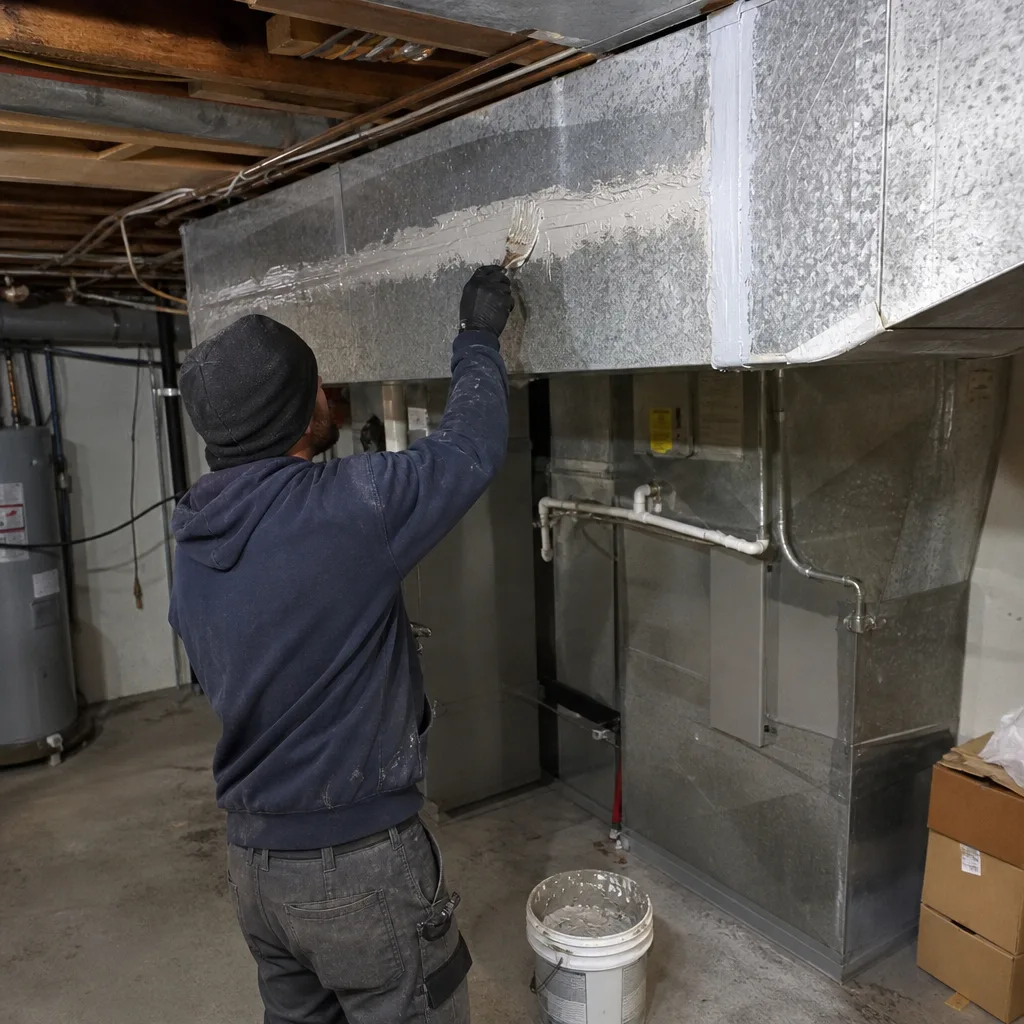
 Whole-home duct cleaning
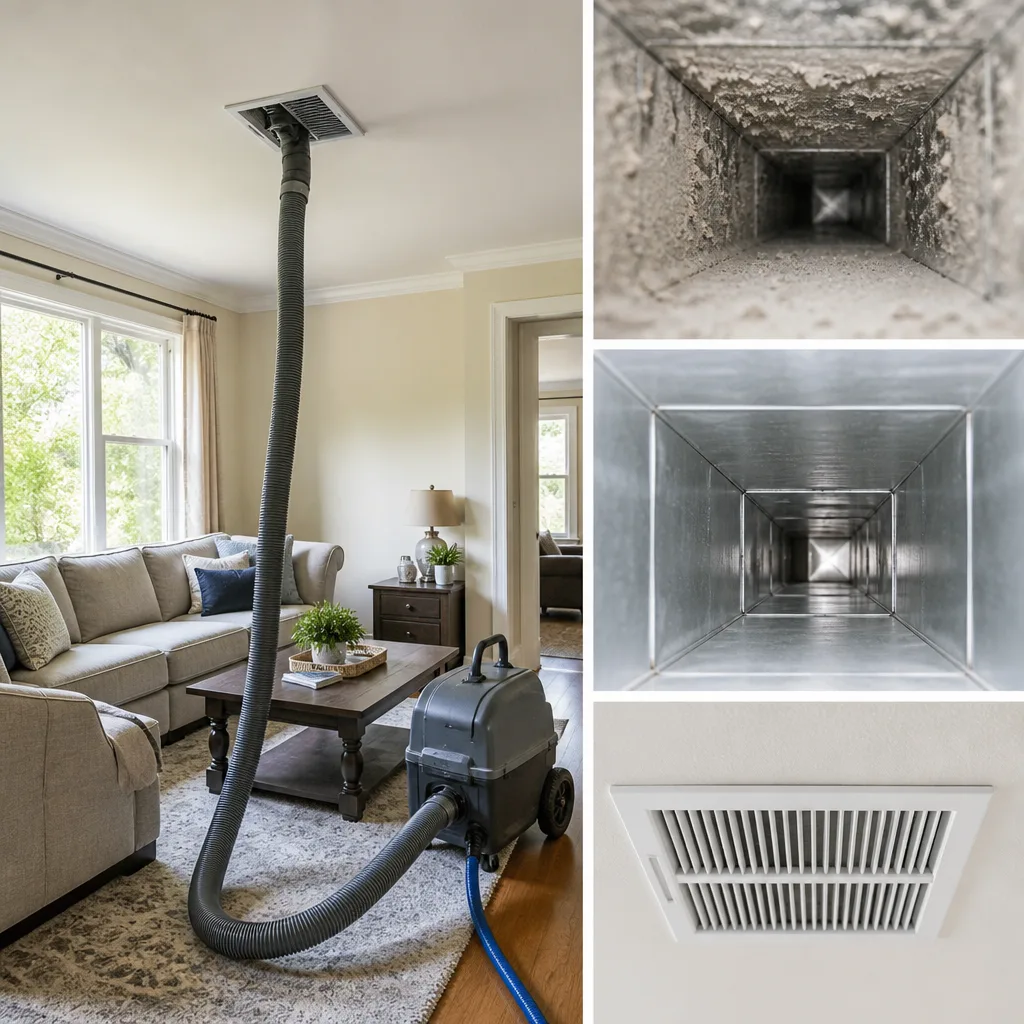
 Dryer vent cleaning
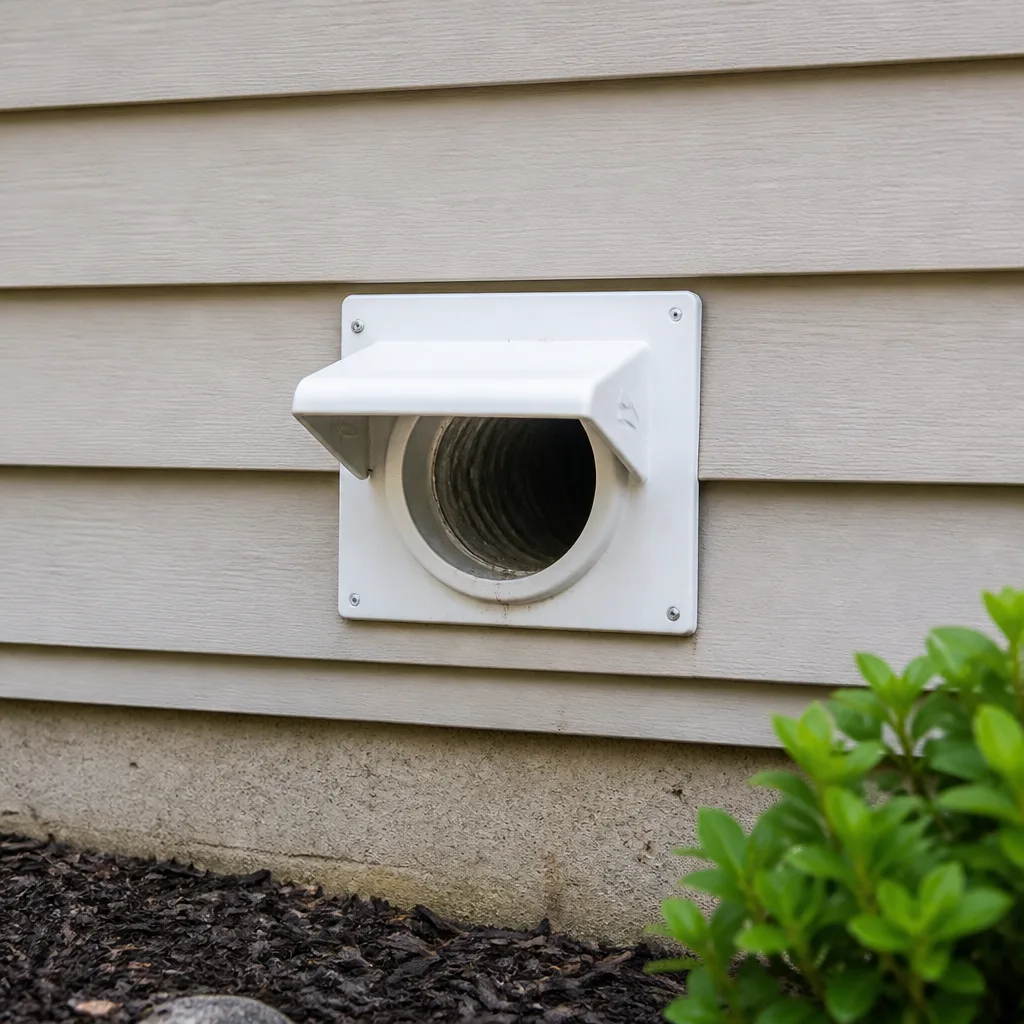
 Camera inspection
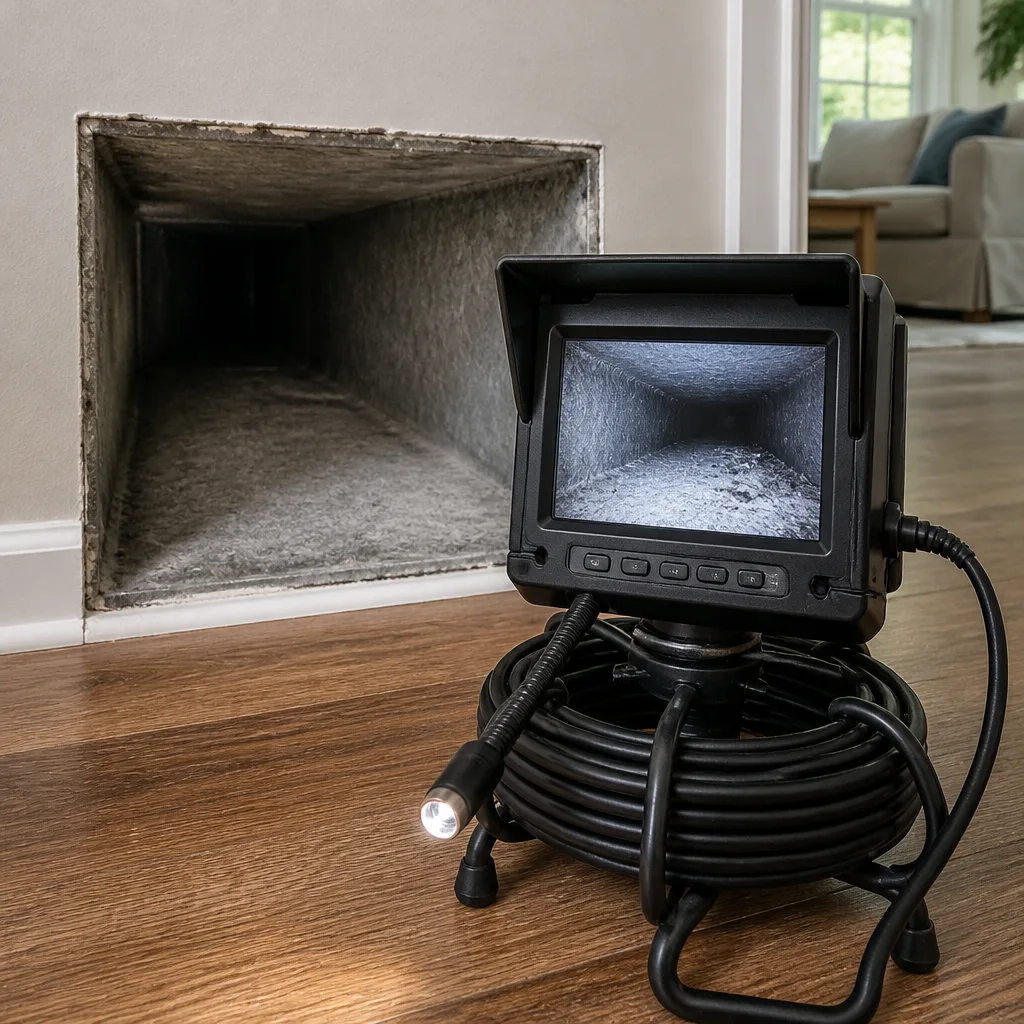
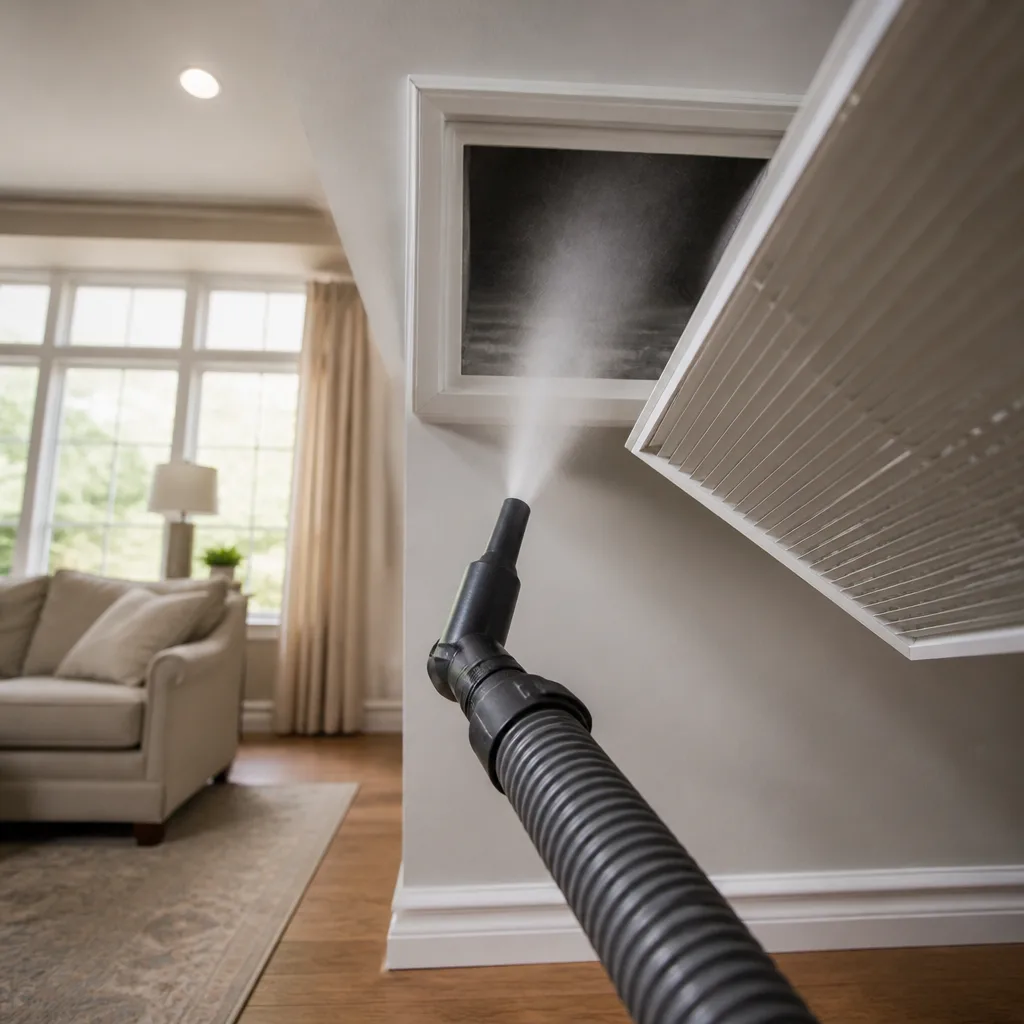 Sanitizing & deodorizing
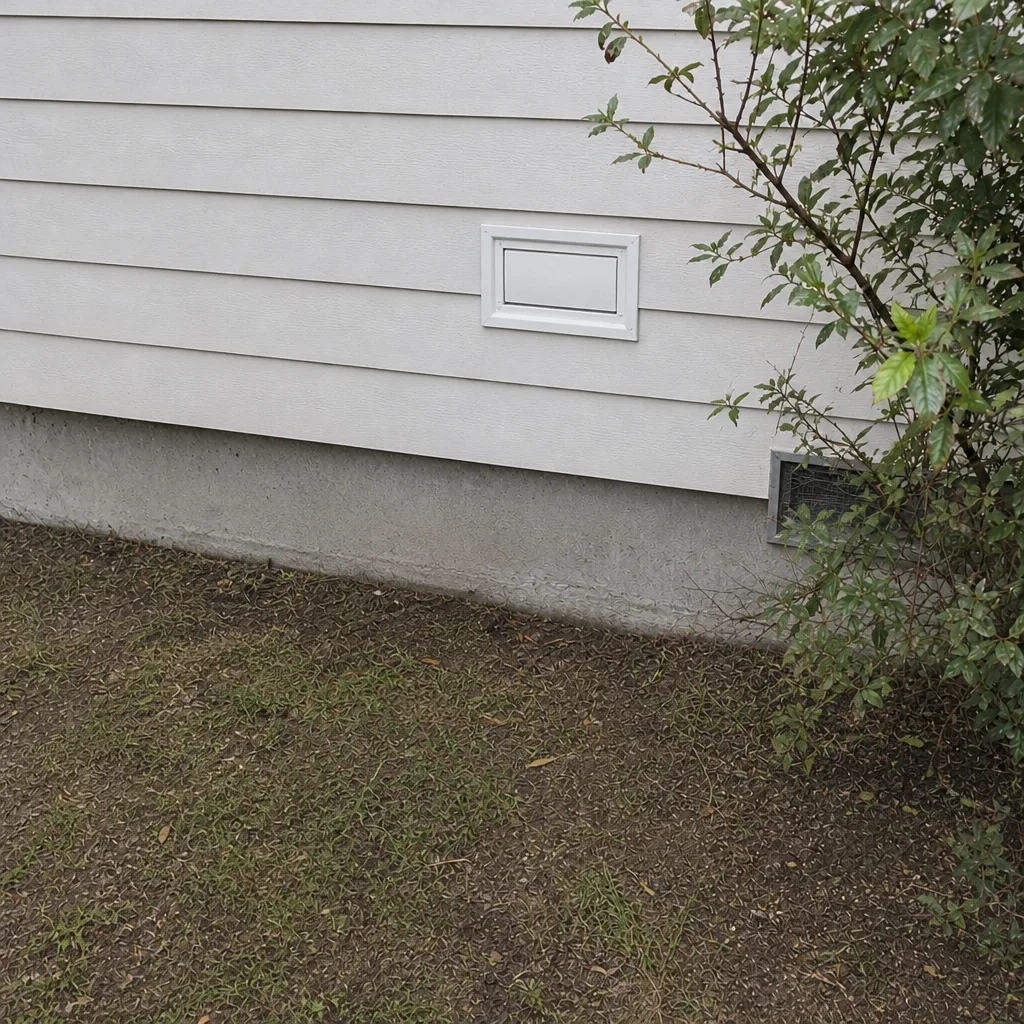
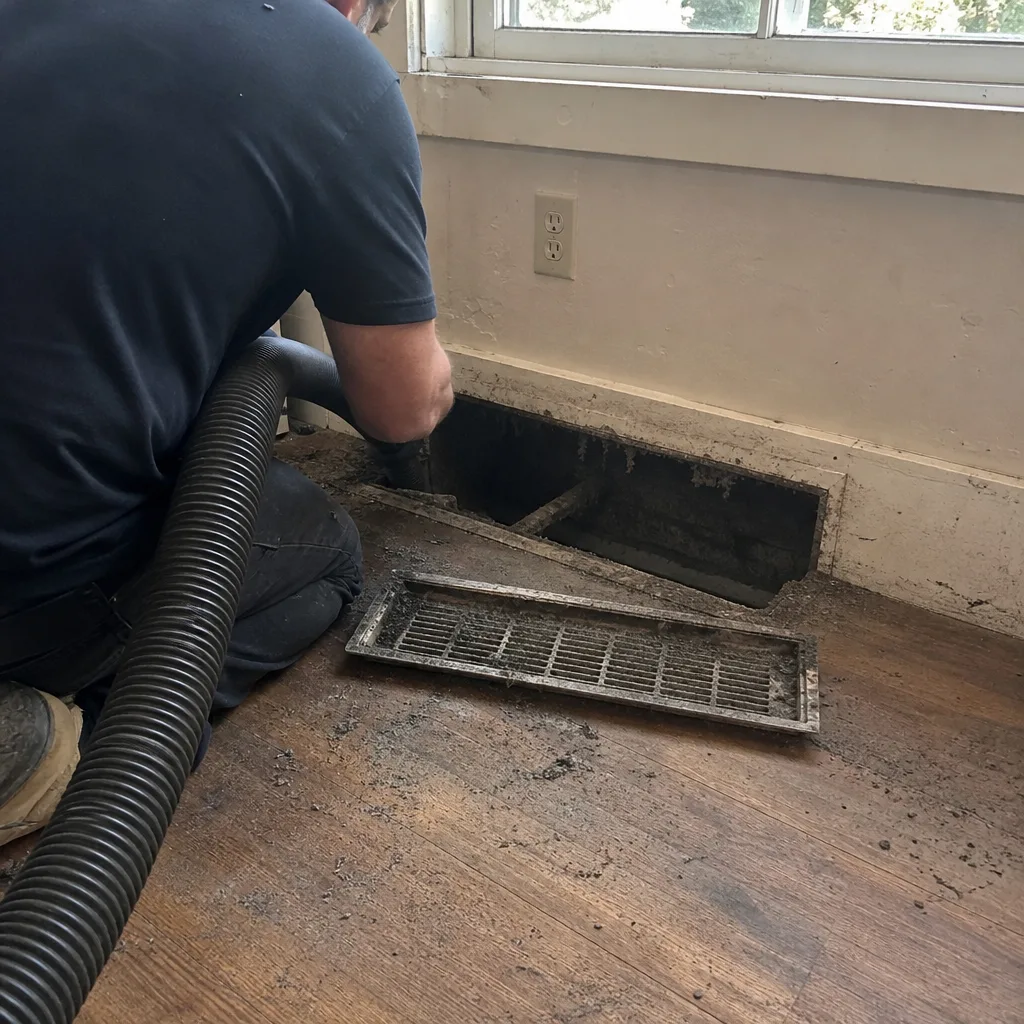
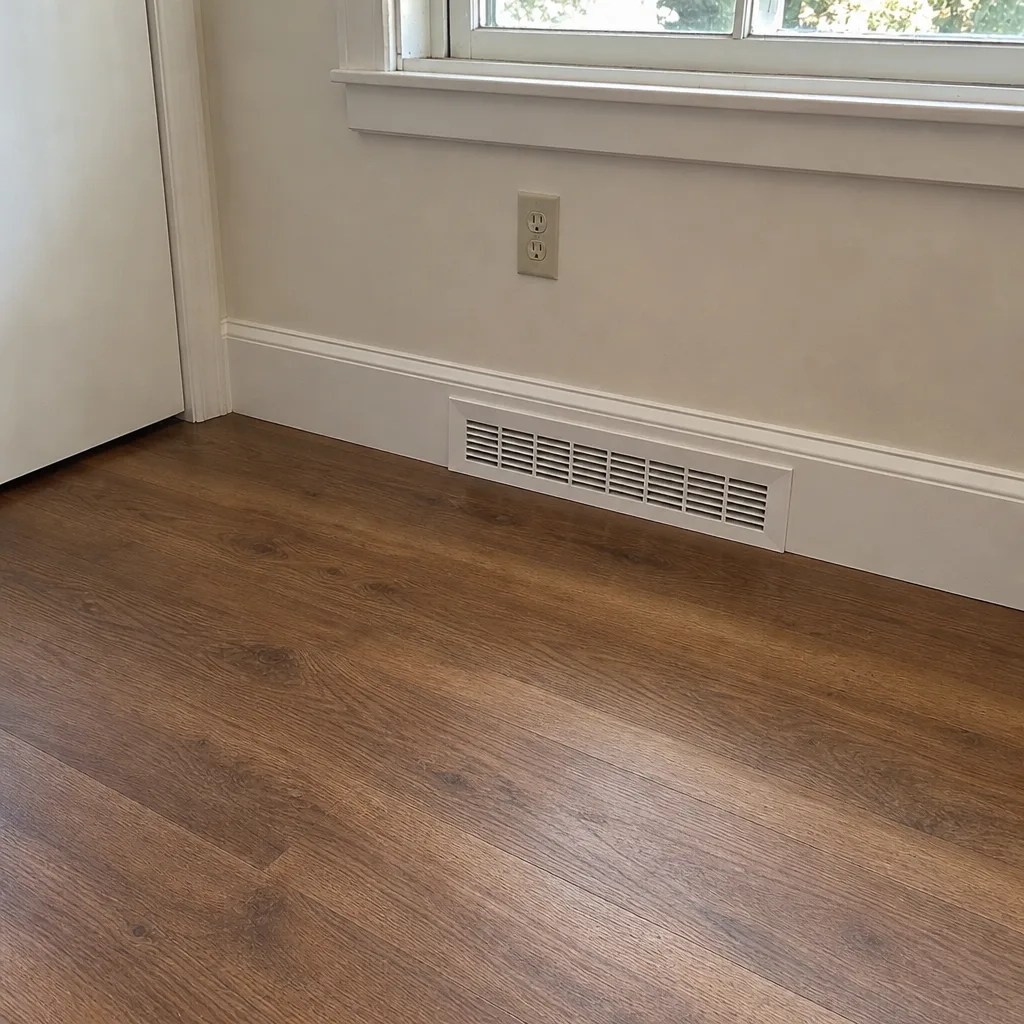
Whole-system duct and dryer vent check with before-and-after photos - you see exactly what came out of your vents
That "$99 whole-house special" is a bait ad - the real number appears once they are in your hallway, or the "clean" is a shop-vac at the register. We photograph the inside of your ducts before and after instead.
Choosing the Right Air Duct Cleaning Brand: A Buyer’s Guide for Kent
Most homeowners in Kent compare company names when they shop for duct cleaning. That is the wrong comparison. The deciding factor is the equipment the crew rolls in with, because that equipment determines whether your ducts get actually cleaned or just disturbed. A rebranded consumer shop vacuum bolted to a flexible rod kit will knock loose dust inside your trunk line and leave the rest where it sits. A truck-mounted negative air machine with a rotary contact tool will pull that dust into a HEPA filter and get it out of the house. Same price range. Completely different job. This guide explains the equipment brands, the NADCA standard, and the specific questions that separate the two, so you can pick a Kent contractor with confidence.
Quick Answer
The right air duct cleaning brand in Kent is the one running professional-grade equipment (Rotobrush rotary systems, Nikro or Hypervac negative air machines, pneumatic whips) under NADCA’s ACR standard, with access panels cut and sealed, source removal verified, and a written scope before work starts. The company name on the invoice matters less than the model numbers on the machines.
Styles & brands we work with
- Whole-home duct cleaning
- Dryer vent cleaning
- Camera inspection
- Sanitizing & deodorizing
Table of Contents
- The Equipment Brands That Actually Do the Work
- What NADCA’s ACR Standard Requires and How to Verify It
- The One Question That Reveals a Contractor’s Real Capability
- What the Truck, Hose, and Access Panels Reveal
- Why the Franchise Name Is Not a Quality Proxy
- Clean It, Seal It, Sanitize It: The Missing Step Most Contractors Skip
- What Kent Homes Specifically Need From a Duct Contractor
- The Full-System Approach: Ducts, Dryer Vent, and Air Quality
The Equipment Brands That Actually Do the Work
The professional duct cleaning industry runs on a small set of machines that most homeowners never hear named. Knowing them is the fastest way to vet a Kent contractor. Our technicians use air duct cleaning equipment from Rotobrush and Nikro on every residential job, and we want you to understand why those names show up again and again on real contracts.
Here is what each class of equipment does, and the brands that make the credible version:
- Rotary contact cleaning systems (Rotobrush): A motorized brush on a flexible shaft that contacts all four sides of the duct interior as it travels. It is the industry benchmark for mechanical duct cleaning, and it is the tool most one-van operations cannot afford to buy.
- Negative air machines and HEPA vacuums (Nikro, Hypervac, Abatement Technologies): These create pressure inside the duct system so dust gets pulled toward the vacuum instead of pushed into your living room. Abatement Technologies units are the kind commercial HVAC contractors use on remediation-grade jobs, and we bring that filtration equipment on-site to protect indoor air quality while we work.
- Pneumatic whips and air skippers: Compressed-air tools that agitate dust in branch lines and plenum sections where a brush head cannot reach. Serious contractors carry a whip set as standard.
- Compressed-air hoses and source-removal wands: The plumbing of the whole operation. If a crew shows up with a shop vacuum hose, you know immediately what you are getting.
Ram-Vac is another brand name that appears in the trade, sometimes on legitimate equipment and sometimes on a rebadged consumer unit. If a contractor claims to run Ram-Vac, ask for the model number and what CFM the machine pulls. A real negative air machine moves serious air volume. A consumer vacuum rated for garages does not.
Kent homes run a range of duct systems, from older flex-duct ranches in the East Hill area to newer rigid trunk-and-branch installs in Panther Lake and Kentridge. Each one needs different tooling. A contractor with only a rotary brush will do fine on rigid metal and struggle on flexible line. A contractor with the full toolkit matches the tool to the duct, and that is the difference between a thorough clean and a partial one.
What NADCA’s ACR Standard Requires and How to Verify It
NADCA is the National Air Duct Cleaners Association, and its ACR standard (Assessment, Cleaning, and Restoration) is the accepted professional benchmark for duct cleaning work in the United States. A contractor claiming compliance is claiming to follow a defined process, not a sales pitch. Here is what that standard actually asks for, and how you can verify that a Kent company is walking the walk.
The ACR standard breaks the job into three phases, each with specific requirements:
- Assessment: Before any cleaning tool touches the duct, the contractor inspects the system, documents findings with photos, and writes a scope. That scope should name the systems being cleaned, the access points needed, and whether any compromised ductwork needs repair.
- Cleaning: The contractor establishes negative pressure on the system, uses mechanical agitation (rotary brush, air whip, contact tool) on every surface a tool can reach, and verifies source removal. “Source removal” means the dust is physically taken out of the house, not just knocked loose onto your carpet.
- Restoration: Access holes are sealed, damaged sections are repaired or flagged for repair, and any applied sanitizer is documented. When we finish a job in Kent, we take before-and-after photos of the customer’s own ducts so they can see what was removed.
Verifying compliance is straightforward. Ask these three questions before you book:
- “Can you walk me through your ACR assessment process?” A compliant contractor has a clear answer. A one-van operator will pivot to price.
- “Do you take before-and-after photos?” Photos are standard practice under ACR. A contractor who cannot provide them is not documenting the work.
- “Do you cut and seal access panels?” Every professional job requires access. A contractor claiming they will “just use the register holes” is doing a partial clean.
NADCA membership itself is not required by law in Washington, but it is a signal that a contractor has committed to the industry’s defined standard. In Kent, where the market includes everyone from franchise operators to solo operations, that commitment is one of the few objective filters you have.
The One Question That Reveals a Contractor’s Real Capability
If you only ask one question in a Kent duct cleaning bid, make it this: “What model is your negative air machine?” A serious contractor answers in five seconds, because they know their equipment cold. A weak contractor stumbles, because they either do not know or do not want to say.
Here is what a credible answer sounds like, and what it does not:
Credible: “We run a Nikro [model], it pulls this many CFM, and it’s a HEPA unit.” The answer names a professional brand, gives a machine class, and demonstrates working knowledge. Our technicians use Nikro professional HVAC vacuuming equipment for negative-pressure source removal on every job, alongside Abatement Technologies filtration to protect indoor air quality during service.
Not credible: “We have a really powerful vacuum” or “We use a HEPA shop vac from [home improvement store].” If a contractor cannot name the machine, they have probably never had to service it, because a real negative air machine is a significant capital expense and the operator knows it intimately.
A second question worth asking: “What diameter hose do you use, and how do you push it through the trunk line?” Professional negative air hoses run large enough to move real volume. Small consumer hoses choke on trunk lines. The answer tells you whether the crew is set up for residential work or is improvising. Contractors who think about hose diameter also think about access panels, which brings us to the next section.
What the Truck, Hose, and Access Panels Reveal
A truck-mounted negative air machine is a serious commitment, both in capital cost and in the training required to use it. When a Kent contractor pulls up in a truck with a large hose bib on the back and a HEPA filter housing, that tells you the operation is set up for full-system source removal. When the same vehicle has a shop vac riding in the cargo area and a coil of flex rod bolted to the roof, you have your answer before the crew ever walks to the door.
Access panels tell you about training as much as the truck does. A trained technician knows a full clean requires access at multiple points, not one, and cuts those points with a proper hole saw, seals them with foam or metal tape, and documents each one. An untrained operator works through the register openings, hits whatever the brush reaches, and leaves the trunk line full of the dust they just loosened.
In our experience serving Kent homes, access strategy varies with the system:
- Attic trunk lines on single-story homes need access at the main trunk and at each branch transition.
- Crawl-space and basement runs need access at the air handler, at the plenum, and at any direction change.
- Flex-duct branches need the rotary tool plus a whip to fully dislodge dust, and access at the plenum end.
NADCA’s assessment phase exists to force this thinking before any tool goes in. A Kent contractor who schedules a walkthrough, takes photos of the accessible system, and proposes a specific panel strategy is following the standard. A contractor who quotes over the phone without asking about your system layout is guessing.
Why the Franchise Name Is Not a Quality Proxy
Here is the uncomfortable truth: a national franchise logo on a door sticker does not guarantee better equipment than the independent van down the street. Franchise systems vary widely in how much equipment the local operator is required to own, and many franchisees use the same entry-level tooling as smaller independents because the franchise fee comes out of the same capital budget. You are paying for the brand name on the invoice, not the machine doing the work.
What matters more than the name on the truck:
- Equipment ownership: Does the operator own a real negative air machine, or rent one when a big job comes up?
- Training documentation: Can they describe their process in detail, or is it a script?
- Scope in writing: Do you get a written scope with photos and access plan before work starts?
- Duct repair capability: Can they fix compromised ductwork in the same visit, or only clean around it?
We are not a franchise, and we are not asking you to prefer us on that basis alone. We are asking you to weight equipment, training, and scope over logos. If a franchise in Kent checks all four boxes above, book them. If they check none of them, the logo is dressing. That logic applies to us exactly as it applies to any competitor in the market.
Clean It, Seal It, Sanitize It: The Missing Step Most Contractors Skip
Cleaning alone does not solve a duct problem. If your ducts are leaking at a joint, every bit of dust you remove gets pulled back in through the leak within weeks. A contractor who only cleans is halfway through the job. Duct repair and sealing is where the work turns into a real fix, and it is where we pull ahead of the industry norm.
What a repair-and-seal visit typically involves on a Kent home:
- Locate the compromised sections. Visual inspection plus a smoke test or pressure check identifies exactly where the system is losing air.
- Repair structural damage. Loose joints, disconnected flex duct, torn liner, and crushed sections get repaired or replaced with new duct stock as needed.
- Seal the system. Seams, joints, and penetrations are sealed with appropriate sealant or tape. Sealed ducts move the air where it is meant to go.
- Sanitize. After cleaning and sealing, a sanitizer is applied to the interior if the scope calls for it. This is not a substitute for cleaning; it is a final step after mechanical removal.
A contractor who “only cleans” cannot do steps two and three. Ask specifically: “Do you seal ducts, or only clean them?” If the answer is “we only clean,” the price you are quoted is for half a job. When we finish a duct job in Kent, we repair what others leave broken.
What Kent Homes Specifically Need From a Duct Contractor
Kent’s housing stock shapes what good duct work looks like. Neighborhoods like East Hill, Panther Lake, and Kentridge include a significant number of homes from the 1970s through the 2000s, and each era brought a different duct material and layout. Earlier construction used rigid metal trunk lines with flex branches. Later construction used more flex, which traps dust on its interior ridges and needs a different tool strategy. The contractor you hire needs to recognize the difference before they start cutting access panels.
Climate matters too. Puget Sound winters are wet and long, and that humidity matters to indoor air quality. A conditioned space with high humidity is a place where dust and organic debris in the ducts can support microbial growth. That does not mean every Kent home needs a sanitizer. It means a contractor who knows the local climate should be able to tell you whether your system calls for a sanitizer after cleaning or whether mechanical source removal is enough. Sanitizing is a decision per job, not a default line item.
Where we see the biggest indoor air quality gains in Kent homes:
- Homes with forced-air heating and cooling: The whole duct system sees steady dust load and needs periodic mechanical cleaning.
- Homes with pets and carpets: Higher particulate load means the return side fills faster and the blower pulls dust into the system more aggressively.
- Homes with a basement or crawl space: Moisture from those spaces plus unsealed duct joints is a common combination we find on walkthroughs.
- Homes with a dryer vent run shared through the stairs or kitchen wall: That vent is a fire-risk topic in itself, and it does not get cleaned in a routine duct job unless the contractor offers the service.
If you want an overview of the full service, look at Kent Air Duct Cleaning Co and see how the whole-system approach works.
The Full-System Approach: Ducts, Dryer Vent, and Air Quality
One call covering ducts, dryer vent, and air quality system beats three separate appointments spread across a season. That is why we bundle the services into one visit. It is also why the equipment question matters: a contractor who already owns the machines for duct work has the right equipment for dryer vent cleaning and HVAC cleaning too, and the marginal cost of adding those to a scheduled visit is low.
Here is what the full-scope picture looks like on a typical Kent home:
- Duct cleaning: Mechanical agitation plus negative-pressure source removal on trunk and branches, access panels cut and sealed, before-and-after photos delivered.
- Duct repair and sealing: Compromised sections repaired, joints and penetrations sealed, system pressure-verified.
- Sanitizing: Applied where the walkthrough indicates, documented on the scope.
- Dryer vent cleaning: Separately processed with a lint trap and vent-line tool kit. Lint accumulation in the vent line is a leading cause of residential fires, and routine cleaning is the standard mitigation.
- Air quality products: We are authorized to supply and install Honeywell and Aprilaire indoor air quality products, which bridge the gap between cleaning the system and improving the air that moves through it. If a Honeywell media filter or Aprilaire humidifier is a good fit for your Kent home, we can size and install the right unit.
Bundling the work also makes verification easier. The before-and-after photos cover the duct interior, the dryer vent, and the air handler in one record you keep on file. If a contractor quotes you a price for ducts only and someone else quotes a separate price for the dryer vent, run the numbers against a bundled quote from a full-scope operator before you commit.
Common Mistakes to Avoid
- Choosing on price alone. A low bid almost always means smaller equipment, shorter access time, and less source removal. Ask what is included in the low bid before you sign.
- Not asking for the negative air machine model. Any contractor who cannot name their machine is showing you the answer. Ask before you book.
- Accepting a quote over the phone. Every credible Kent contractor wants to walk the system before pricing. A phone quote is a guess dressed as an estimate.
- Letting the crew use register holes only. Full cleaning requires access panels on the trunk and at plenum transitions. If a crew claims otherwise, they are doing a partial clean.
- Skipping the repair part. Cleaning without sealing is half a job. Leaking ducts pull the removed dust right back in.
- Booking ducts-only and forgetting the dryer vent. The dryer vent is a separate fire-risk topic and most duct-only quotes do not include it.
- Trusting the truck logo over the equipment. Franchise, local, or independent, the question is the same: what machines are inside the truck, and can the crew describe them?
See the difference
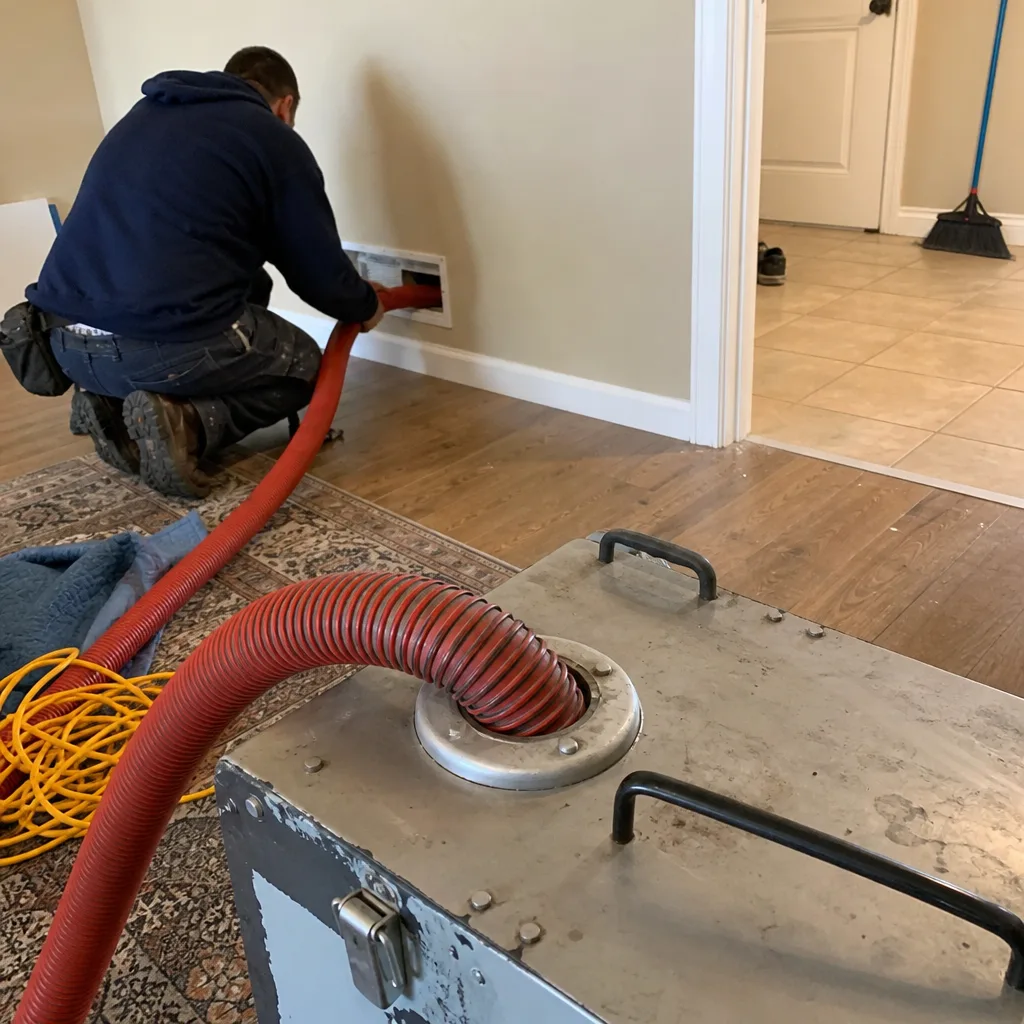 Before
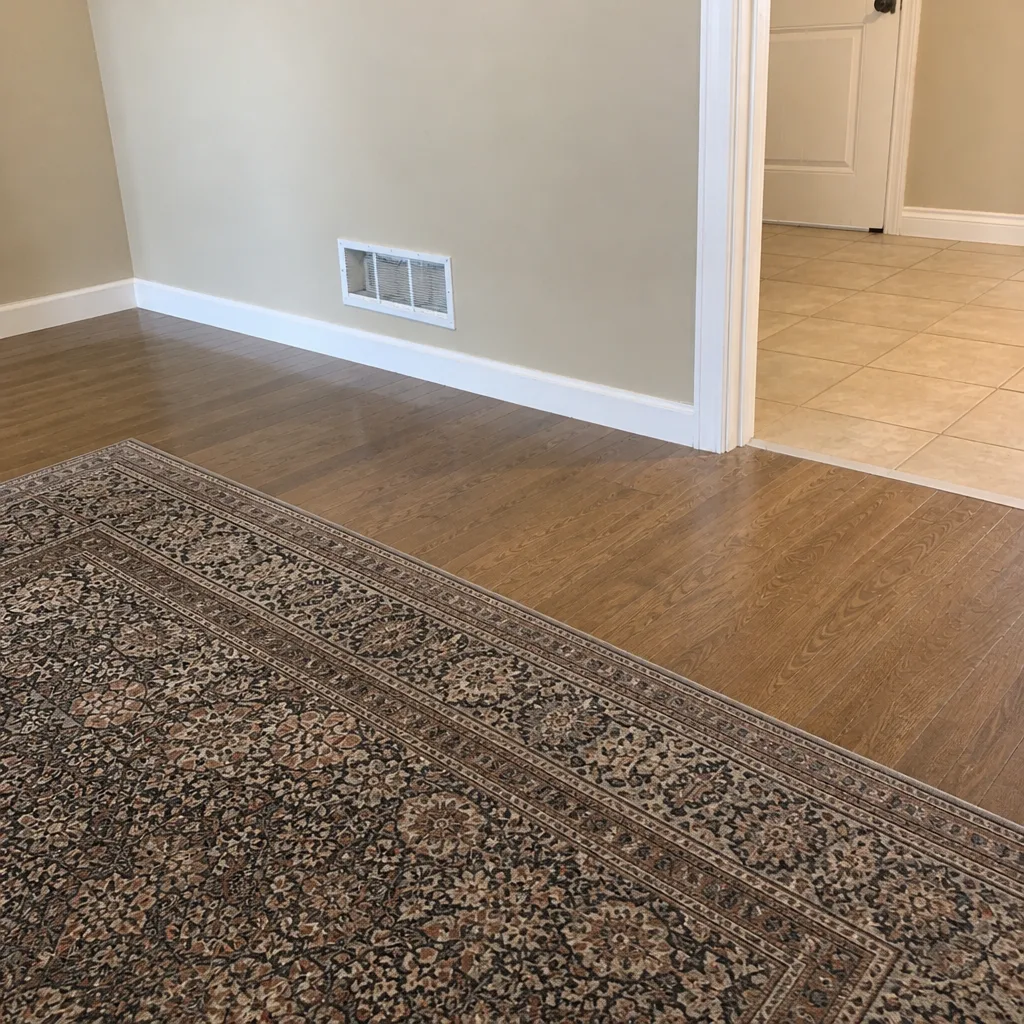 After
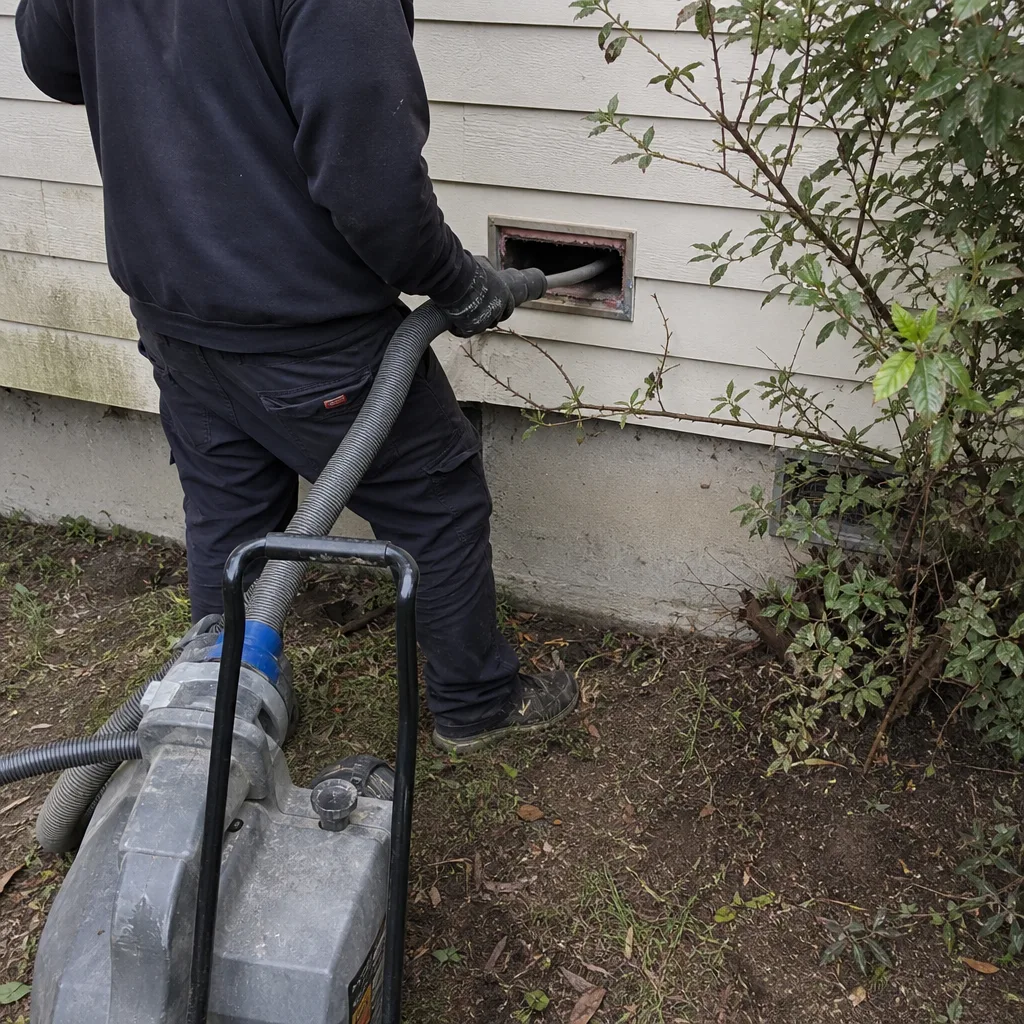 Before
 After
 Before
 After
When to Call a Professional
Call a professional when dust starts settling on surfaces faster than usual after you clean, when someone in the household notices musty odors on air conditioning startup, when allergy symptoms spike during heating season, or when a heating bill is climbing without a change in usage. Call when you can see visible dust or debris around the registers, when the ducts have never been cleaned and the home is more than a few decades old, or when a recent renovation sent construction dust through the air handler. Call when you are buying a home and want an independent assessment of the duct system before the sellers’ disclosure is all you have. Kent Air Duct Cleaning Co offers free estimates in Kent. Call (877) 792-7319. We answer 24/7. Fast dispatch from 7am to 7pm, Sunday through Friday.
Frequently Asked Questions
Ask what negative air machine they use, whether they follow NADCA’s ACR standard, whether they cut and seal access panels, whether they provide before-and-after photos, and whether they can repair and seal ductwork in the same visit. A Kent contractor who can answer all five clearly is a credible hire. One who cannot is not.
Rotobrush for rotary contact cleaning, Nikro or Hypervac for negative air machines, Abatement Technologies for on-site filtration, and pneumatic whip systems for branch-line agitation. Those are the professional-grade names in this trade. Anything less than that is a residential workaround dressed up as service. Our technicians have up to 8 years of experience running this equipment, and we use Rotobrush and Nikro on every job.
No. A franchise name is a marketing brand, not an equipment standard. Some franchisees run excellent Rotobrush and Nikro equipment; others run shop vacuums with a flex-rod attachment. The same range exists among local and independent operators. Judge the contractor on the machines on the truck, the scope in writing, and the repair capability, not the sticker on the door.
NADCA’s ACR standard is the Assessment, Cleaning, and Restoration process that defines professional duct cleaning. It requires an initial assessment with photos and scope, cleaning with mechanical agitation under negative pressure, and restoration that includes sealing access holes and repairing damaged sections. Ask a Kent contractor to describe their ACR process; a compliant one will have a detailed answer.
Low quotes typically reflect smaller equipment, less access work, and skipped repair steps. Full-scope jobs use real negative air machines, cut and seal multiple access panels, and include before-and-after photos and duct sealing. A low quote rarely covers the same work, and the gap between the quote and the final invoice is the bait-and-switch trap. The price should be set per job by the written estimate, agreed before work starts. Call (877) 792-7319 for an exact quote – estimates are free.
You know because you see the before-and-after photos of your own ducts, because the access panels are cut and sealed with documentation, because the negative air machine is on-site and running during the visit, and because the written scope is checked line by line against what was agreed. Anything less is trust without evidence. Call (877) 792-7319 to book a visit with a documented scope and photo record.
The Bottom Line
The right air duct cleaning brand in Kent is the one running professional-grade equipment (Rotobrush, Nikro, Abatement Technologies) under NADCA’s ACR standard, with documented access, source removal, repair and sealing, and before-and-after photos. Judge contractors on the machines, not the logo. Ask the negative air machine question. Insist on a written scope. Book repair alongside cleaning, not instead of it. Full-system scope including ducts, dryer vent, and air quality products is the standard to hold every Kent contractor to, including us. When you are ready, call (877) 792-7319. We answer 24/7. Fast dispatch from 7am to 7pm, Sunday through Friday. Estimates are free, and the price is set per job by the written estimate.
Written by the team at Kent Air Duct Cleaning Co.