
Last updated November 23, 2026
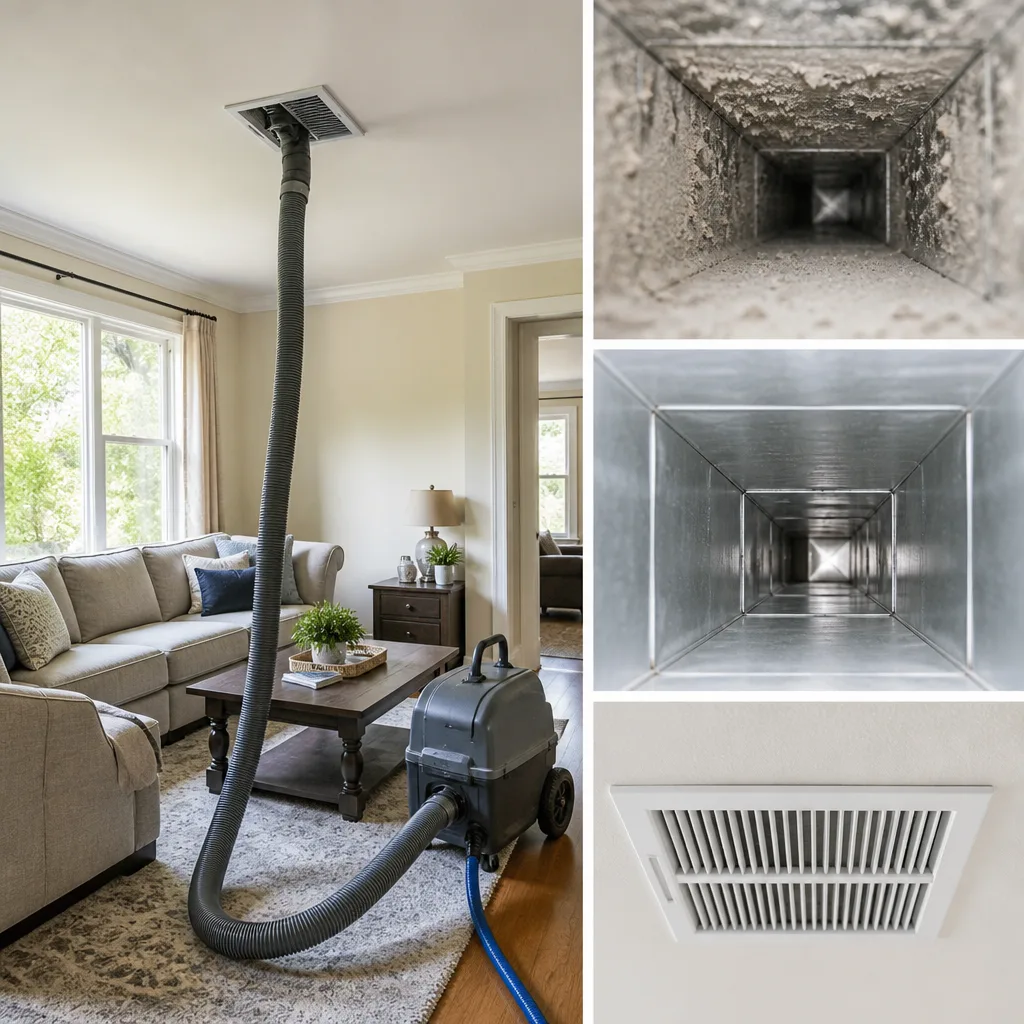 Whole-home duct cleaning
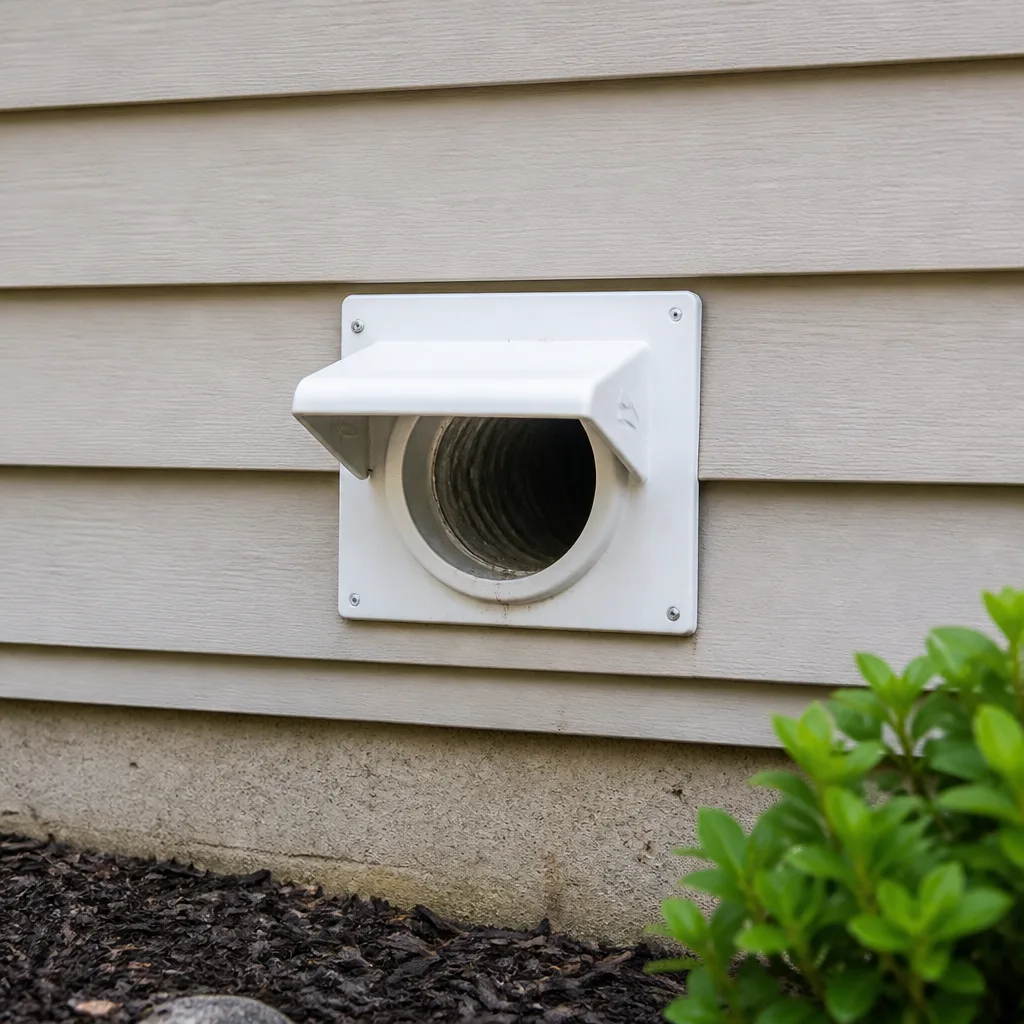 Dryer vent cleaning
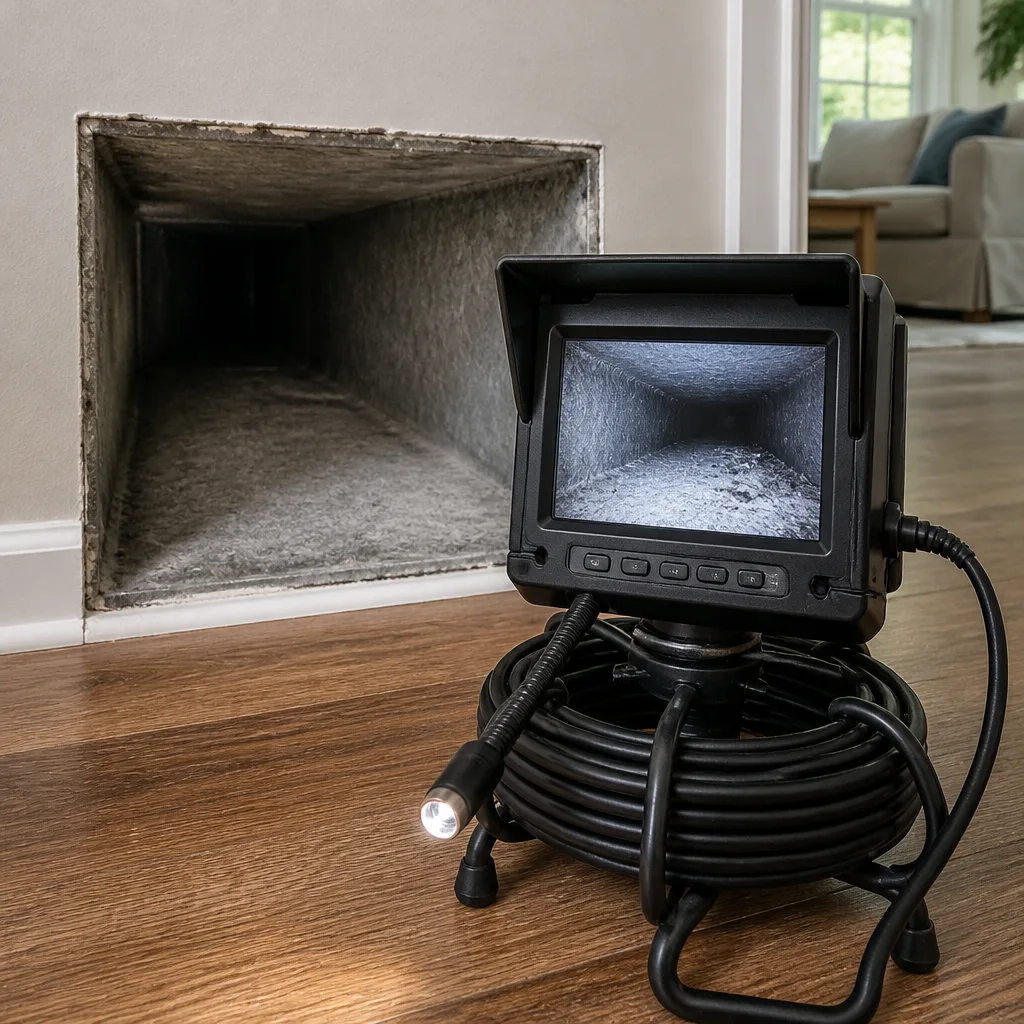 Camera inspection
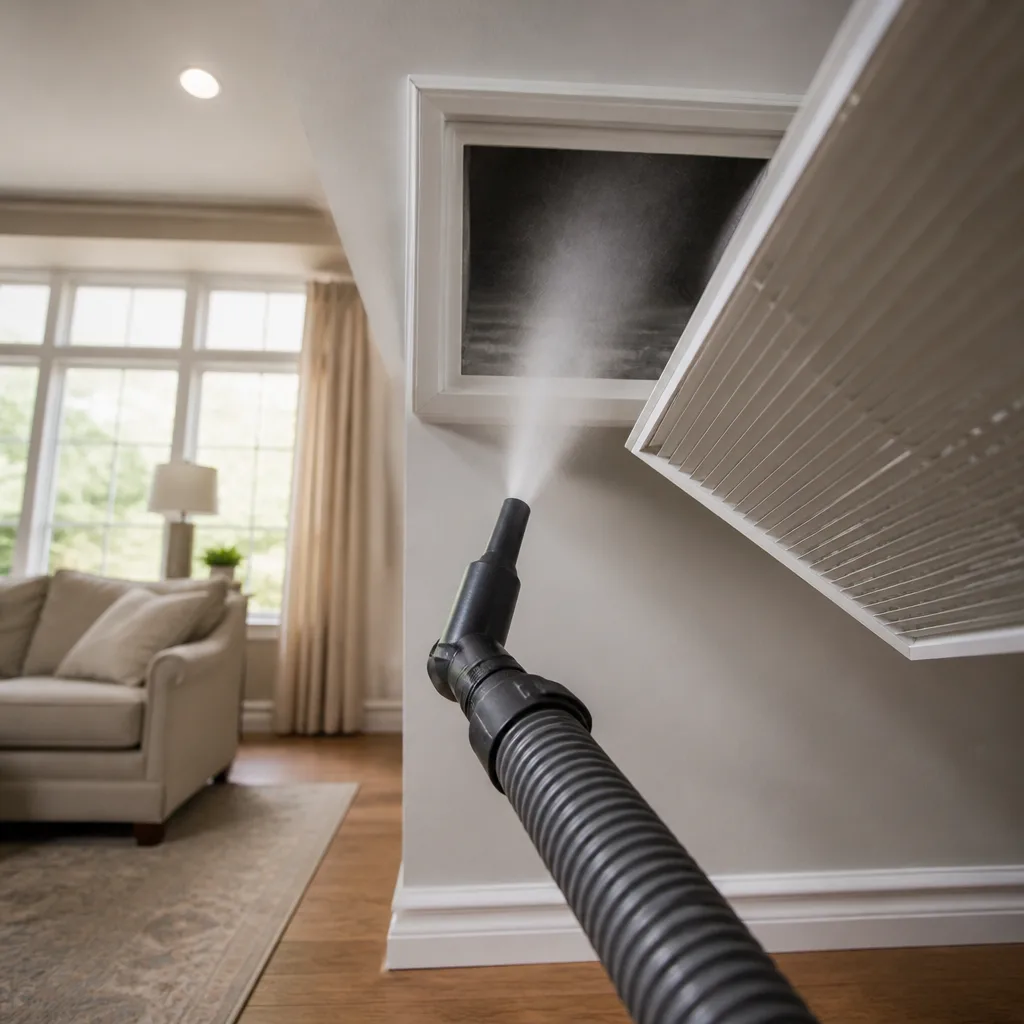 Sanitizing & deodorizing
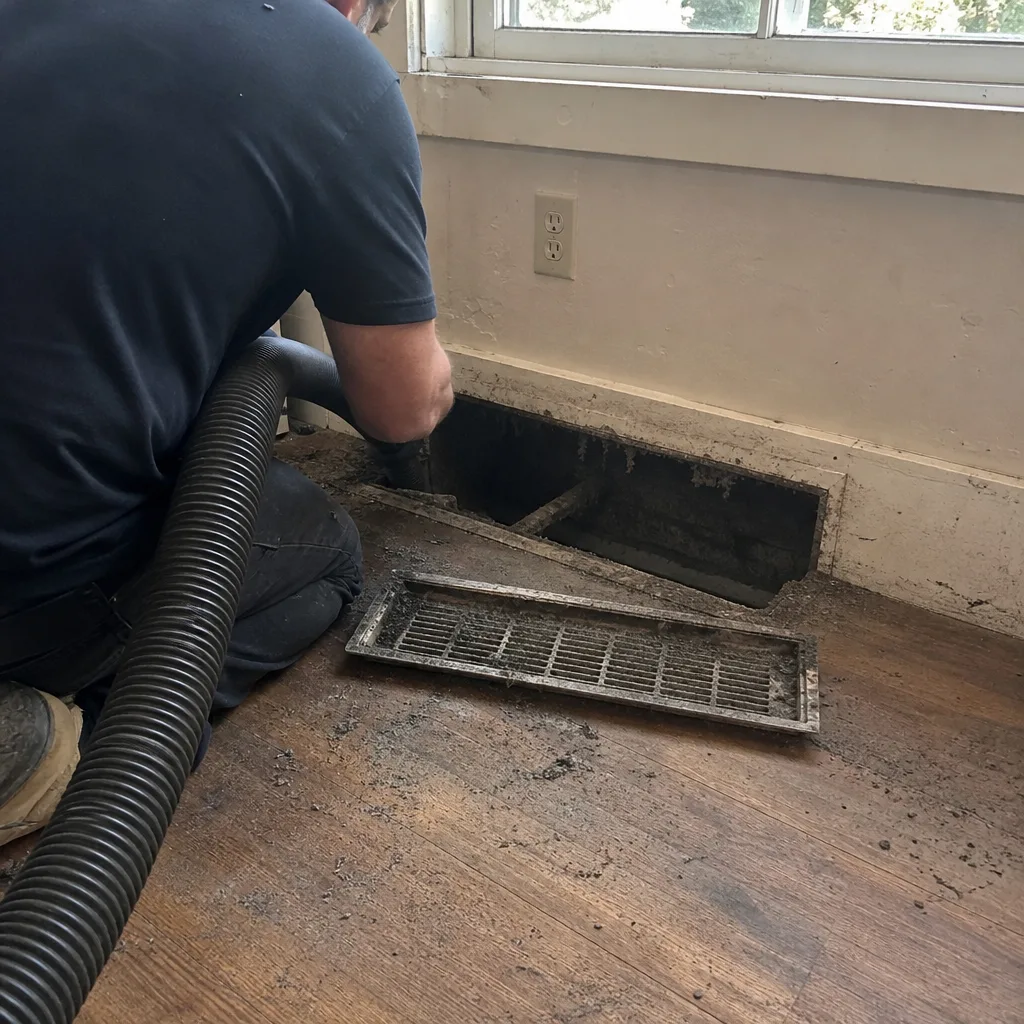
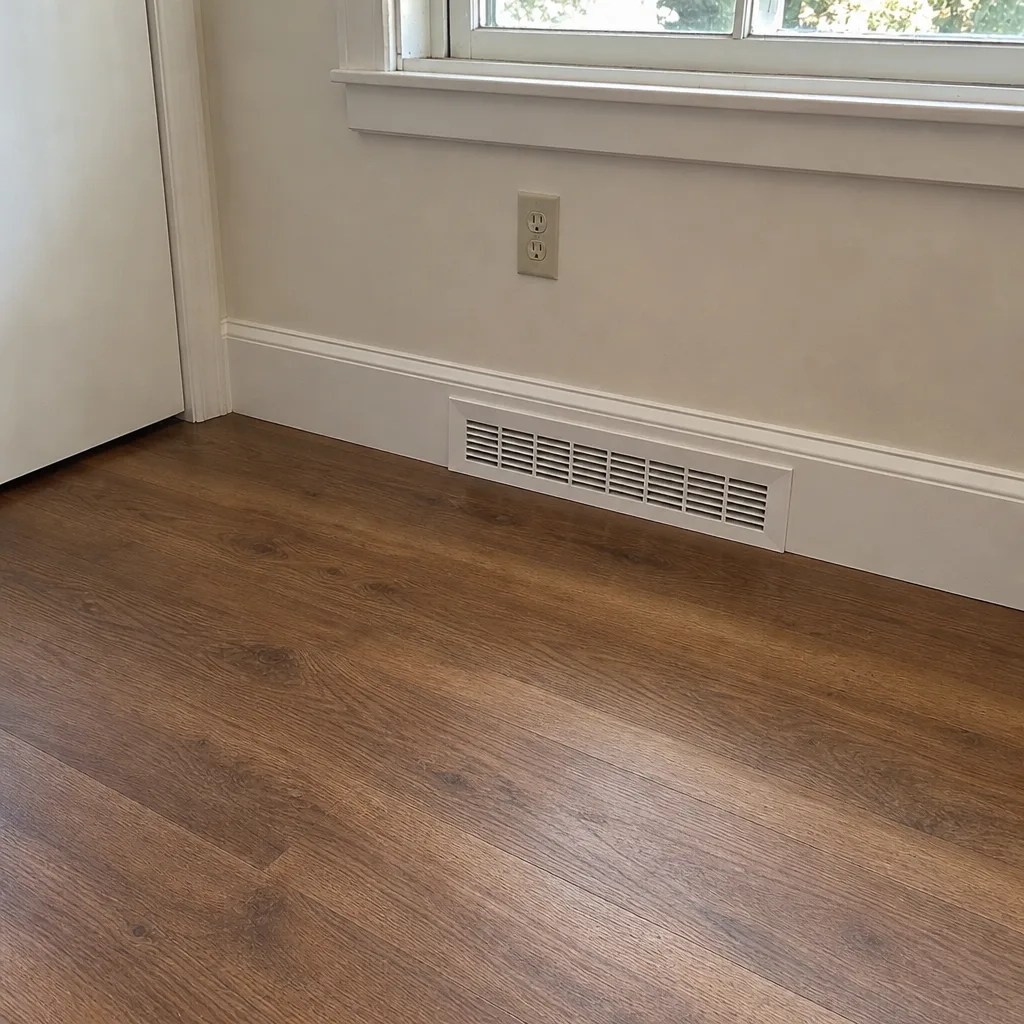
Whole-system duct and dryer vent check with before-and-after photos - you see exactly what came out of your vents
That "$99 whole-house special" is a bait ad - the real number appears once they are in your hallway, or the "clean" is a shop-vac at the register. We photograph the inside of your ducts before and after instead.
Air Duct Cleaning Warning Signs: A Kent Homeowner’s Reference Guide
By the time you can see mold on a supply register, the contamination is already months old and has spread through the duct liner behind it. Visible mold and rodent droppings are not early warning signs. They’re late-stage evidence. The indicators that actually matter come well before that point, and most of them don’t look like trouble in the ductwork at all. They look like a bedroom that’s always two degrees colder than the hallway. They look like a filter that fills faster than it should. They look like a noise you’ve decided is “just the house settling.” This guide is written for Kent homeowners who want to catch a duct problem while it’s still cheap to fix, not after it has become a full remediation job.
Quick Answer
The earliest reliable warning signs of a duct problem in a Kent home are a filter that loads up in under three weeks, room-to-room temperature differences you can feel with the back of your hand, a musty or oily smell that shows up when the system starts, and pet dander matting on damper blades that causes rattling or whistling. Visible mold, pests, and heavy debris are real problems, but they’re symptoms of contamination that’s already well established. Catch the low-visibility signs and you’re dealing with a cleaning, a repair, or a seal, not a large-scale cleanup.
Styles & brands we work with
- Whole-home duct cleaning
- Dryer vent cleaning
- Camera inspection
- Sanitizing & deodorizing
Table of Contents
- Filter Loading Rate: The Most Underused Diagnostic
- What Uneven Room Temperatures Actually Tell You
- The Smell Test: Musty, Metallic, or Dusty
- What Pet Owners Specifically Need to Watch
- The Back-of-Hand Register Airflow Test
- Duct Leakage vs. Buildup: How to Tell Them Apart
- When the Problem Is the Whole System, Not One Run
Filter Loading Rate: The Most Underused Diagnostic
A MERV-8 filter in a healthy duct system should last roughly three months before it mars the filter frame with gray. If yours fills in under three weeks, you have a diagnostic signal, not a filter problem. Something upstream is dumping particulate into the return faster than the filter can load. That’s usually one of two things: contamination already sitting on duct surfaces or in the liner, or a bypass problem where unfiltered air is entering downstream of the filter.
Here’s how to read it:
- Check the filter at day 14 and day 21. Photograph it. If the gray color has spread across the pleats by day 21, the filter is being asked to do more than it was designed for.
- Look for a gap around the filter frame. If you can see the filter sitting loosely in its slot, a cardboard shim in the return grille is a quick tell. Air traveling around the filter is bypass air. That means the ducts downstream of the filter are collecting dust that should have never made it in.
- Check the return grille for visible dust shadowing. If the paint or the grille edge has a faint gray-brown halo, particulate is settling out of the airstream at the return – a sign the return is moving dirtier air than it should.
- Compare a new filter’s day-1 appearance to its day-14 appearance. Photograph both. Side by side, loading rate tells you more than a visual duct inspection does from the outside.
A fast-loading filter in a Kent home is not a sign to buy a higher MERV filter. It’s a sign the system is moving debris that a higher MERV filter will only load faster. Fix the source first. That’s why our work starts with source removal using air duct cleaning and not with the filter rack.
Why this matters more than visible dust
Visible dust on a supply register is common and usually harmless. Visible dust on the return grille face is common too. Neither one tells you much. The loading rate of the filter tells you what is happening at every return in the house, whether or not a specific register is showing it. In our experience across Kent, a filter loading under three weeks has almost always meant either years of buildup on the supply trunk liner or a loose return boot that’s been pulling air from a dusty crawlspace. Both are cleaning-and-sealing problems. Neither requires the homeowner to have “noticed” anything visible.
What Uneven Room Temperatures Actually Tell You
Uneven room temperatures are the most commonly misread sign in a Kent home. Two very different problems produce the same symptom, and knowing which one you have determines whether you’re paying for cleaning or for repair.
The two possibilities:
- Duct leakage means conditioned air is leaving the system before it reaches a room. The room runs cool in summer and cool in winter (or warm in winter and warm in summer, depending on the leak location). The system is running longer, the room isn’t keeping up, and the utility bill creeps up.
- Buildup restriction means the duct is delivering air to the room, but the volume is choked down by debris on the inner surfaces. The room is under-conditioned because the air can’t get there at the volume the system was designed for.
How to tell them apart in a simple way:
- Feel the register face. With the system running on fan or heat, hold the back of your hand about two inches from the supply register. Feel the volume of air, not the temperature. If the volume feels weak even when the room is calling for heat, the run is restricted.
- Feel the duct surface in the attic or crawlspace where visible. A duct that is leaking will often show a cool seam or joint where air is escaping. A duct that is restricted will feel uniformly cool on the outside but deliver weakly at the register.
- Compare rooms that share a branch vs. rooms that don’t. If two rooms on the same branch are equally cool while a room on a separate branch is warm, the issue is likely at the split or the branch feeding both. If every room on a branch is cool while the truck line to the trunk is warm, the issue is more likely in the trunk itself.
- Check the return. Rooms with a return path back to the air handler will feel closer to setpoint than rooms that rely on undercut doors and open hallways. A room that is closed off by a door with no return will almost always feel warm. That’s a design issue, not a duct-cleaning issue, and worth knowing before you spend money.
In Kent, the houses we see with the deepest uneven-temperature complaints are usually in the older neighborhoods around downtown and in the East Hill area, where duct runs are often original to the house. A single trunk run feeding three bedrooms through a split is a common layout, and one partially blocked leg will show up clearly as a cool bedroom that gets cooler.
The Smell Test: Musty, Metallic, or Dusty
The smell that comes out of a register when the heat first comes on is diagnostic. Different smells point to different problems, and the fix is different for each one. This is where most homeowners guess wrong: they assume any smell means “cleaning,” when in fact one of the three smells isn’t a duct-cleaning problem at all.
- Musty or earthy. Biological growth. Usually the result of condensation on cold duct surfaces in a humid or poorly ventilated space – a crawlspace, an unconditioned attic, or a duct run that passes through a room where humidity isn’t managed. This is the smell that comes with microbial contamination in the liner. Requires sanitizing, not just cleaning.
- Metallic, oily, or “hot motor” smell. A mechanical issue, not a duct issue. It’s coming from the air handler, a blower motor bearing, a fan that’s working harder than it should, or a heat exchanger running hot. Duct cleaning does not fix this. If the smell is present from the supply registers with the fan on and no heat, get the air handler checked.
- Dusty or “first-fire” smell. Dust burning off the heat exchanger on first startup of the season. Normal in small amounts. If it happens on every cycle and doesn’t fade, dust is accumulating on the heat exchanger because the duct system is delivering more particulate than it should. That’s a duct cleaning problem, and it should be addressed before it coats the coil.
In Kent, the first-fire smell shows up reliably in October and early November, and it’s the smell homeowners most often describe as “musty” when it isn’t. Smell a washcloth test before you call. Take a clean rag, hold it two inches from the register with the fan on for thirty seconds, seal it in a zip-top bag for an hour, and then smell it. That isolates the duct air from the room air and lets you describe the smell accurately when you call.
What Pet Owners Specifically Need to Watch
Pet dander mats on the inside of the damper blades and the register vanes. It builds up like felt, and it changes the sound of the system. The noise gets misdiagnosed as worn bearings or a loose blower wheel, and a homeowner has the air handler serviced for mechanical noise that isn’t mechanical at all.
Here’s what to watch if you have a dog or cat:
- Rattling or whistling at a specific register. A damper blade matted with dander has less clearance, and the air passing through it hits a different pitch. If the noise is at one register, that’s a localized mat, not a mechanical problem.
- A change in noise when you open or close a damper. If the noise changes with damper position, the damper is the source. Mechanical noise doesn’t change with the damper.
- A filter that loads with fine hair. Pet hair doesn’t pack a filter the way fiber does. It loads the pleats unevenly, and it’s a sign the return is pulling from wherever the pet sleeps. Not a problem in itself, but worth knowing.
- A faint “wet dog” smell only in one or two rooms. Dander in the supply run holds moisture from the conditioner cycle, and it can grow biological material in one branch that doesn’t show up in another. Consistent smell from one room’s register is a strong signal.
In a Kent home with two or more pets, we typically see dander matting on the trunk-side dampers rather than the branch-side dampers, because the return air is pulled through the trunk first. That’s a cleaning problem and a sanitizing problem together. It’s not a mechanical repair. And crucially, it’s catchable long before the dander on the blades creates a microbial problem in the liner. The noise is the early indicator.
The Back-of-Hand Register Airflow Test
You can find a partially blocked branch run without any tools. Hold the back of your hand two inches from the supply register in each room, one at a time, with the system running and the doors in their normal positions. Rate the airflow as strong, medium, or weak. Compare the results room to room.
The pattern of the comparison is the diagnostic:
- One room weak, all others strong. Partially blocked branch run. The blockage is likely debris on the inner surface of the branch or a collapsed section of flexible duct in an attic or crawlspace drop.
- Two rooms on the same branch weak, rooms on a different branch strong. Blockage is at the split feeding those two rooms, or upstream of the split.
- Every room weak, fan running. The whole-system restriction: dirty return, dirty coil, or a filter that’s loaded past its capacity. Check the filter first.
- Every room strong, one room weak. The weak room may not be duct-related at all. A closed door with no return path will feel weak on the return side, and sometimes on the supply side too if the room is pressurizing. Confirm before calling.
Do this test twice, two weeks apart. A partially blocked run will continue to feel weak, sometimes getting weaker as the debris settles. A weak room that was related to a closed door will read strong the second time if the door position changed. Two data points are worth more than one.
The Kent-specific wrinkle
Kent homes with ductwork in unconditioned attic space are more prone to seasonal airflow swings because the duct surface temperature changes with the outside air. In late summer, a run that passes through a hot attic will deliver noticeably weaker airflow than the same run in spring, even with no change to the duct itself. Run the back-of-hand test on a mild day, not a heat wave. That gives you a fair comparison. We typically suggest late spring or early October for the second reading, since those are the two points in the year when outside temperatures don’t distort the picture.
Duct Leakage vs. Buildup: How to Tell Them Apart
Leakage and buildup both show up as rooms that don’t keep up. The difference is where the wasted air goes. Leakage means conditioned air is being dumped into an attic, crawlspace, or wall cavity. Buildup means conditioned air is being delivered but at reduced volume. Both are real problems and both get worse over time, but they require different work.
Signs that point to leakage:
- A high return-vs-supply temperature difference (cool supply, warm return, or the reverse in winter) that is much wider than expected for the outside temperature.
- Cool spots on attic insulation or a cool crawlspace wall in a line where the duct passes.
- Dust shadowing on the seams and joints where the duct has been taped or mastic’d.
- A noticeable pressure difference at the door when you close it, with the door pulling or pushing.
- Condensation or dampness on the outside of a duct run in a humid space.
Signs that point to buildup:
- A filter that loads in under three weeks even when the return grille looks clean.
- A visible dust line on the inner surface of the return boot or the supply trunk where you can see it.
- Reduced airflow at every register on one branch, with the branch running through a section of the house that’s dustier than the rest.
- Dust and lint collecting on the register vanes in one room more than another.
- Increased static pressure at the air handler, if you’ve had a technician measure it recently.
The two can coexist. A leaky duct in a dusty attic pulls attic air into the system, which loads the filter and coats the trunk downstream. That’s exactly why our work covers cleaning plus HVAC cleaning plus duct sealing rather than one or the other. The cleaning removes the buildup, and the sealing stops the leak that created it. If we only cleaned, the problem would come back. If we only sealed, the existing buildup would keep loading the filter. Clean it, seal it, sanitize it.
When the Problem Is the Whole System, Not One Run
Not every warning sign is about one duct run. Some signs are telling you the whole system – ducts, coil, air handler, dryer vent, and return path – is due for a coordinated cleaning. When multiple signs show up at once, the probability that the problem is upstream in the trunk and downstream from every return is very high.
The signs that say “system,” not “run”:
- The filter loading rate is fast, and every room has some airflow reduction. Whole-system particulate source.
- The first-fire smell is present at multiple registers, not one. The heat exchanger and the trunk are both involved.
- A pet-owner noise is at two or three dampers, not one. Dander matting across the trunk.
- An oily blower-motor smell that persists after the filter is replaced. Air handler component due for inspection and cleaning.
- Visible dust on the return grille in two or more locations. Whole-return contamination, usually from an unnoticed bypass.
- The dryer vent feels warm to the touch half an hour after the dryer cycle ends. That’s a separate system, but it’s part of the same air-quality picture and worth doing at the same time. Our dryer vent cleaning is the natural companion to a duct cleaning visit.
When the picture is whole-system, the cleaning equipment has to be commercial-grade. Our crews use Rotobrush rotary contact cleaning systems and Nikro negative-pressure vacuuming, with Abatement Technologies air filtration units on site during the job so indoor air quality doesn’t take a hit while we’re working. When we go through the trunk and every branch, the after-work test is what tells you it was done: room-by-room back-of-hand readings before and after the work, plus photographs of the duct interior. And where the ducts also need an air quality assist, we install and supply recognized components from Honeywell and Aprilaire to bring filtration and humidity control into balance with the cleaned system.
Common Mistakes to Avoid
- Calling the first quote you get without reading the pricing structure. Per-vent pricing creates an incentive to under-quote the number of vents and make it up on-site. Ask for a flat per-system price in writing before anyone opens a register. In a Kent home, you deserve a price that doesn’t move.
- Buying a higher-MERV filter to fix a fast-loading filter. A MERV-13 in a system designed for MERV-8 will increase the load on the blower without removing the source of the particulate. Fix the loading rate by addressing the contamination first, then raise the filtration once the system is clean.
- Assuming any musty smell means the ducts need cleaning. If the smell is coming from a cold crawlspace through a return boot, cleaning the ducts won’t keep the smell out. The return path is the problem, not the duct interior. Seal it.
- Ignoring the noise at one register because it “doesn’t happen all the time.” A dander-matted damper will whistle when the system is at high demand and stop when it’s not. That pattern is a sign of matting, not a worn bearing, and it’s worth catching before the mat grows into the liner.
- Running the back-of-hand test on a hot afternoon. Attic duct runs will feel weaker on a 95-degree day even when nothing is wrong. Run the test in mild weather for a fair picture.
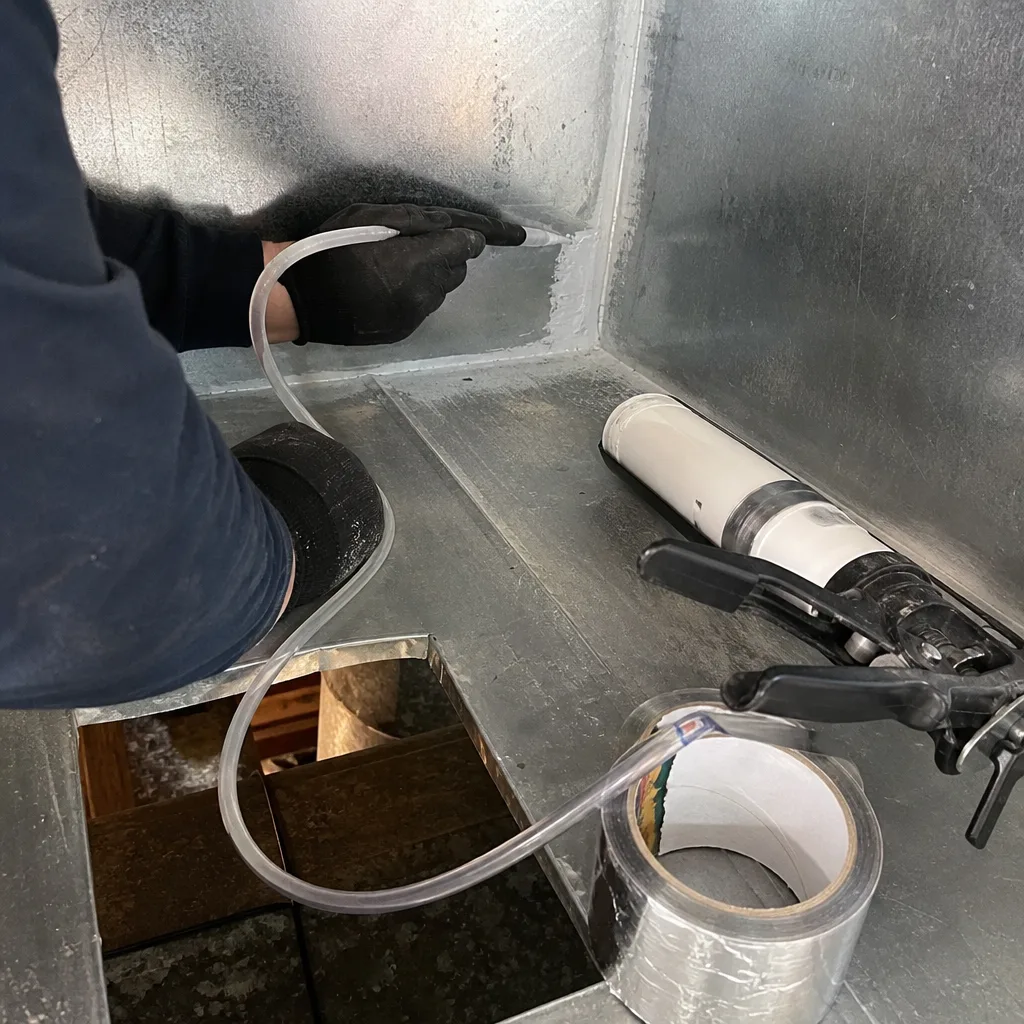
- Sealing the ducts without cleaning them first. If you seal ductwork that still has buildup inside, the buildup has nowhere to go but through the coil and the filter. Clean, then seal. Never the other order.
- Writing off a first-fire smell as normal every year. A light smell that fades within minutes is normal. A smell that keeps coming back on every cycle, every fall, is dust accumulating on the heat exchanger because the trunk is delivering it. That’s a warning sign, not a season.
See the difference
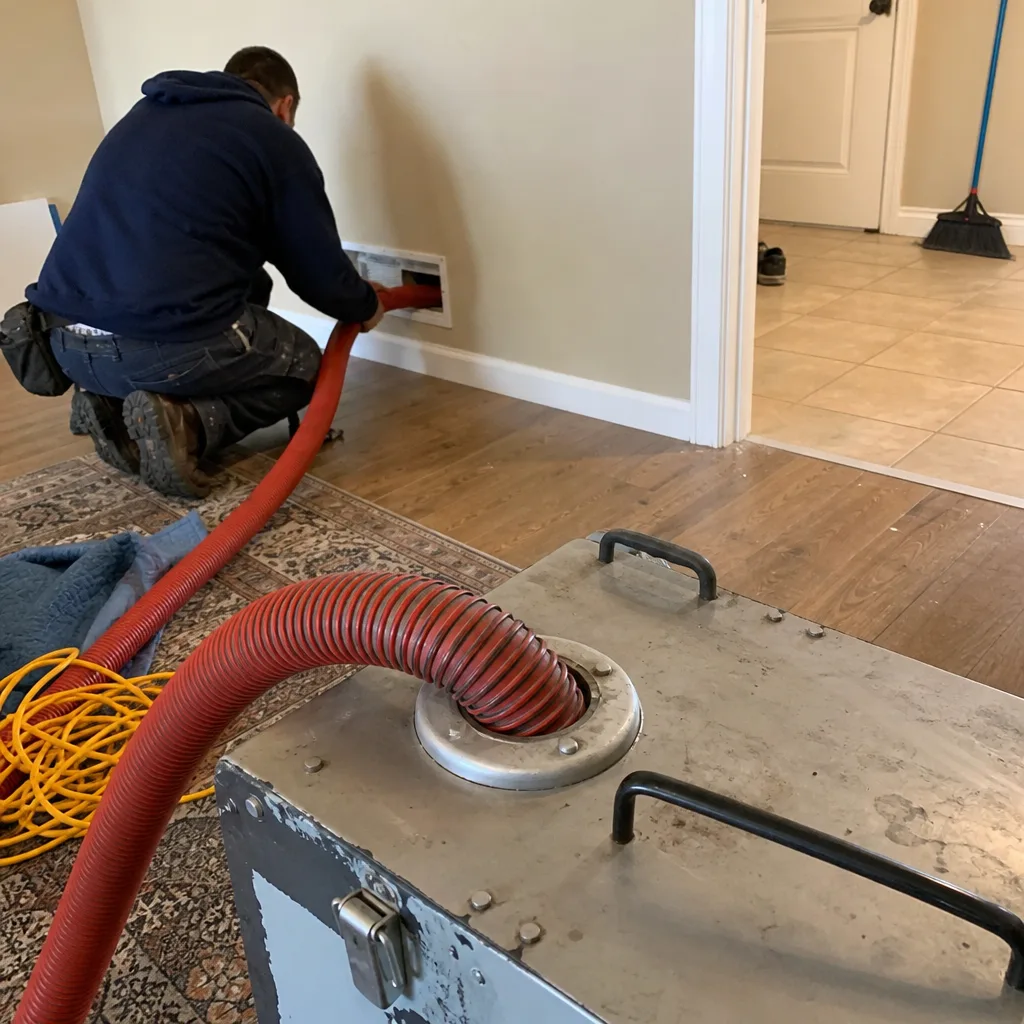 Before
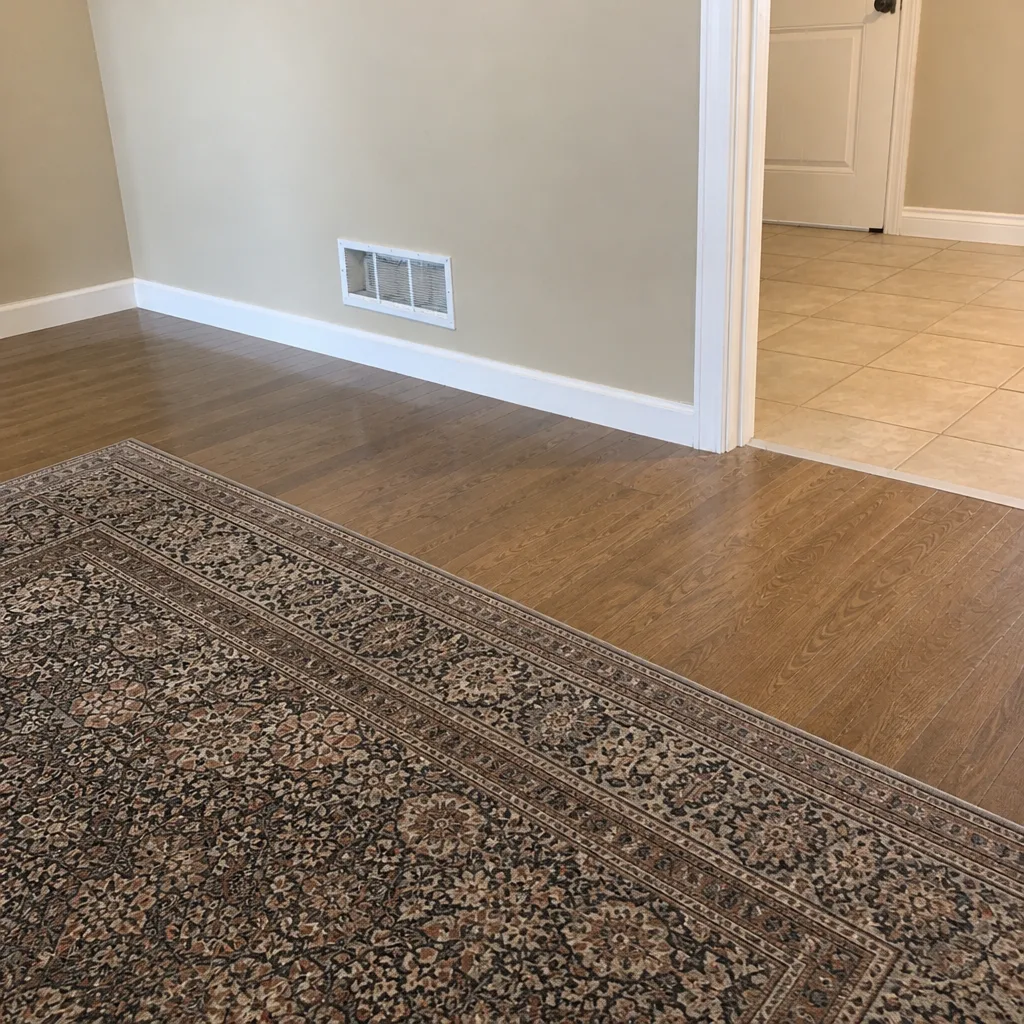 After
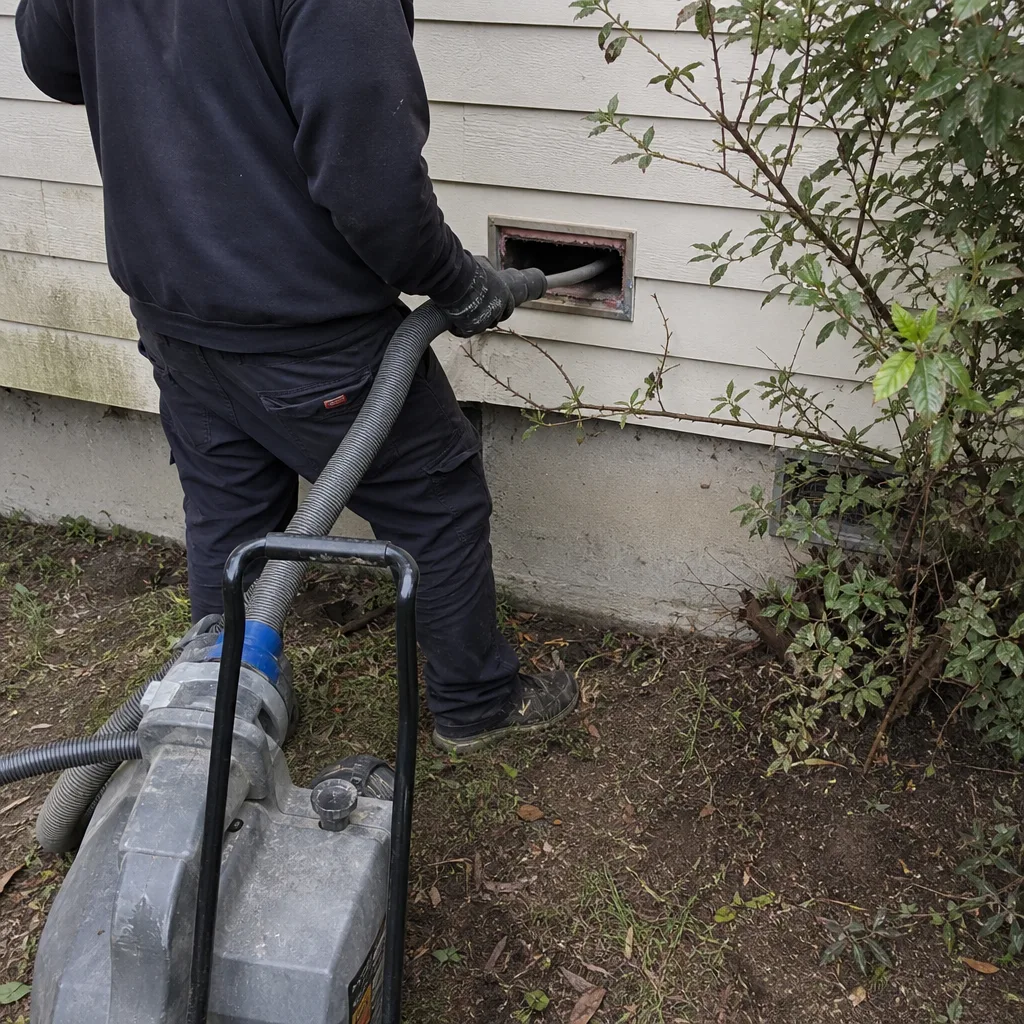 Before
 After
 Before
 After
When to Call a Professional
Call for a professional inspection when a MERV-8 filter loads in under three weeks, when a back-of-hand test shows a consistent weak register across two readings two weeks apart, or when a musty or oily smell shows up with the fan on and the filter fresh. Call if you’ve recently moved into a Kent house with original ductwork and no cleaning records, or if you’ve had a crawlspace or attic leak in the last year that could have wetted the ductwork. Call if a pet-owner noise at one register has persisted after the air handler was serviced for mechanical noise. And call if a dust line shows at a supply register in one room after a professional cleaning – that’s a sign the run needs repair and sealing, not another cleaning. Kent Air Duct Cleaning Co offers free estimates in Kent. Call (877) 792-7319. We answer 24/7. Fast dispatch from 7am to 7pm, Sunday through Friday.
Frequently Asked Questions
Most Kent homes need cleaning every three to five years when nothing is wrong, and sooner if the filter loading rate is fast or a duct has been sealed or repaired. The rule of thumb is not calendar-based, it’s filter-based: if your MERV-8 fills in under three weeks, you’re overdue. Call us for an exact quote – estimates are free.
You should get a flat per-system price in writing before the work starts, and the price should not change based on how many registers the technician counts on site. We quote by system, not by vent, so the price you agree to is the price. Call (877) 792-7319 for an exact quote – estimates are free.
A very low quote usually means one of two things: a per-vent structure that gets adjusted once the technician sees the house, or a coupon price attached to a minimum job size that isn’t disclosed upfront. Neither is a price you should compare against a flat system quote. Ask for the total number in writing before anyone arrives. Call (877) 792-7319 for a written estimate – it’s free.
You should get before-and-after photographs of your own ductwork, and you should see a measurable change in the filter loading rate and in register airflow after the visit. We shoot photos of the duct interior at the start and end of the job, and we run a back-of-hand reading at every register before and after. If you don’t get both, ask for them. Call (877) 792-7319 to book an estimate – it’s free.
A musty smell can come from the ducts, the return path, the crawlspace, or a wet air handler coil, and telling them apart takes a targeted check. If the smell is at the supply registers with the fan running, it’s coming from the duct side of the system. If it’s strongest near the return or the air handler closet, look there first. Call (877) 792-7319 for an exact quote on a full inspection – estimates are free.
Usually, yes, if the loading was caused by buildup. If a bypass or a leak is still present, the filter will start loading fast again within a few weeks, which is why cleaning, repair, and sealing belong in the same visit. Call (877) 792-7319 to schedule a flat-price estimate – it’s free.
The Bottom Line
The warning signs that matter most in a Kent home are the quiet ones: a filter that fills in under three weeks, a room that’s consistently under-conditioned on two back-of-hand readings, a smell that changes when the fan comes on, and a noise at one register that changes with the damper. Visible mold and pests are real problems, but they’re the ones you notice after the fact. Catch the low-visibility signs and the fix stays modest: a cleaning, a repair, a seal. Ignore them and the same problem becomes a remediation. At Kent Air Duct Cleaning Co, we work with professional-grade equipment from Rotobrush, Nikro, and Abatement Technologies because a clean duct system is only worth the tools that produced it. And our technicians have up to 8 years of experience reading exactly these signs in Kent homes.
Call (877) 792-7319 for a free estimate. We answer 24/7. Fast dispatch from 7am to 7pm, Sunday through Friday.
Written by the team at Kent Air Duct Cleaning Co.