
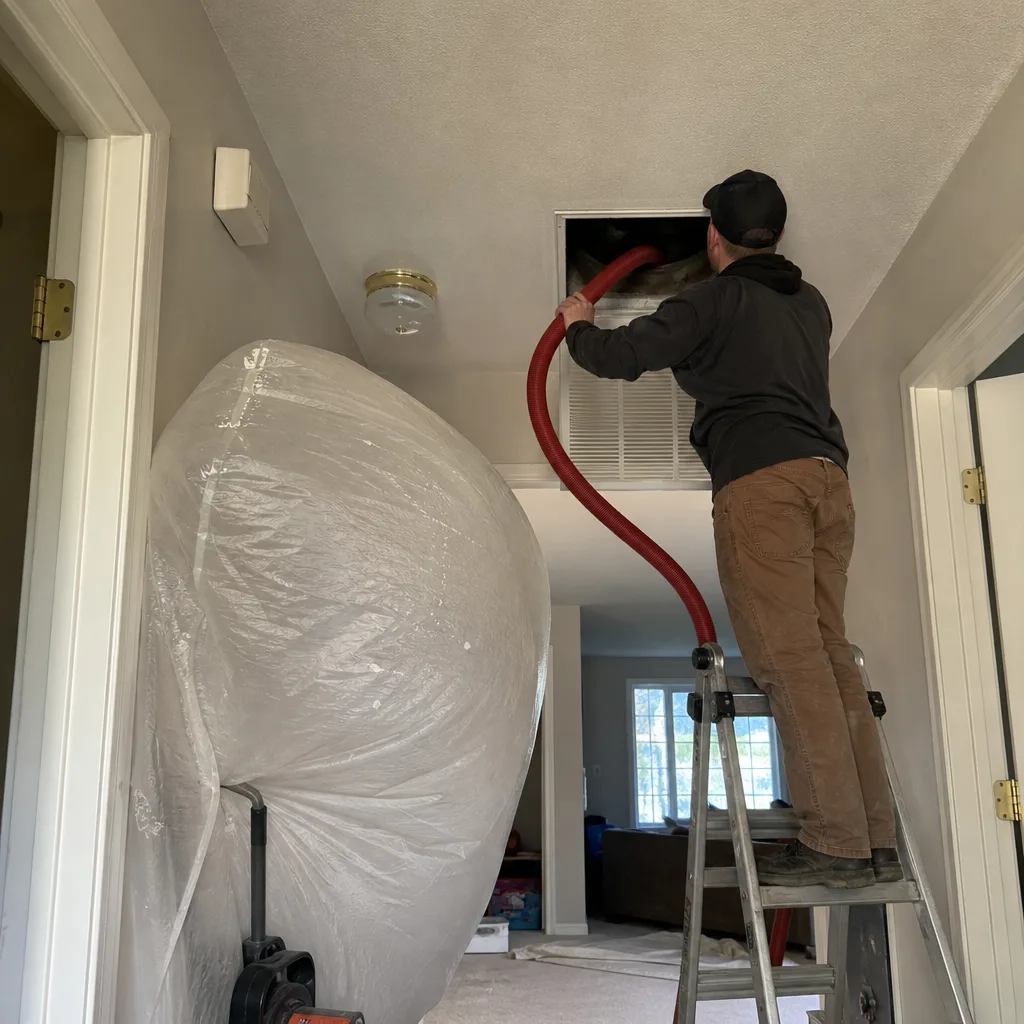
Last updated November 23, 2026
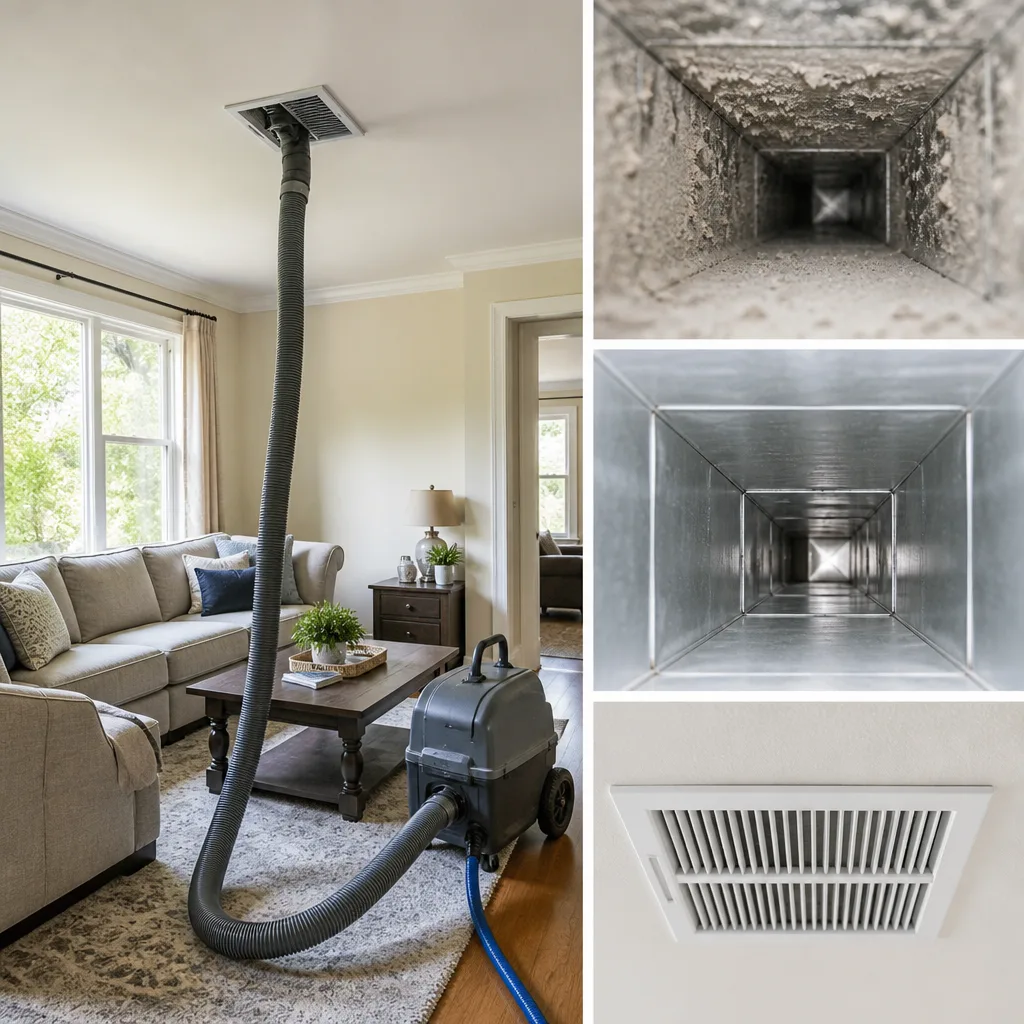 Whole-home duct cleaning
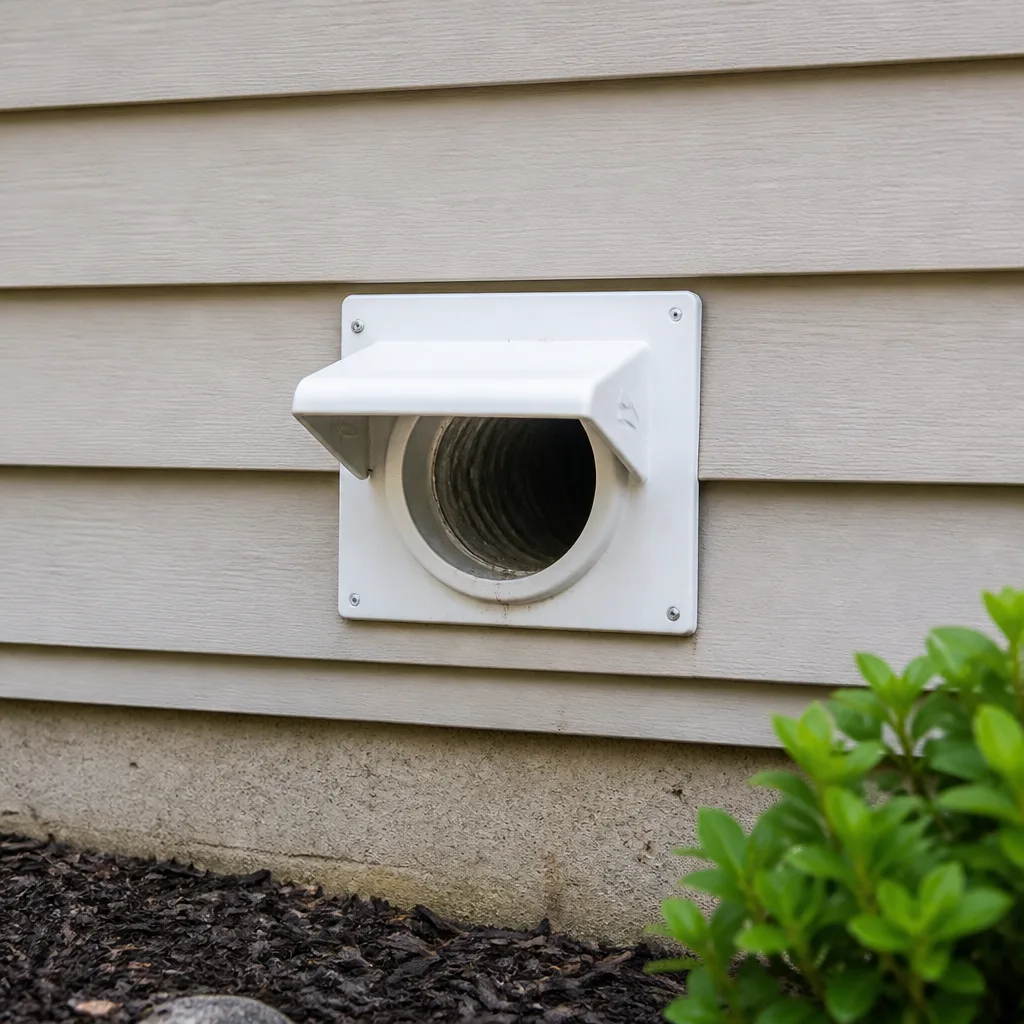 Dryer vent cleaning
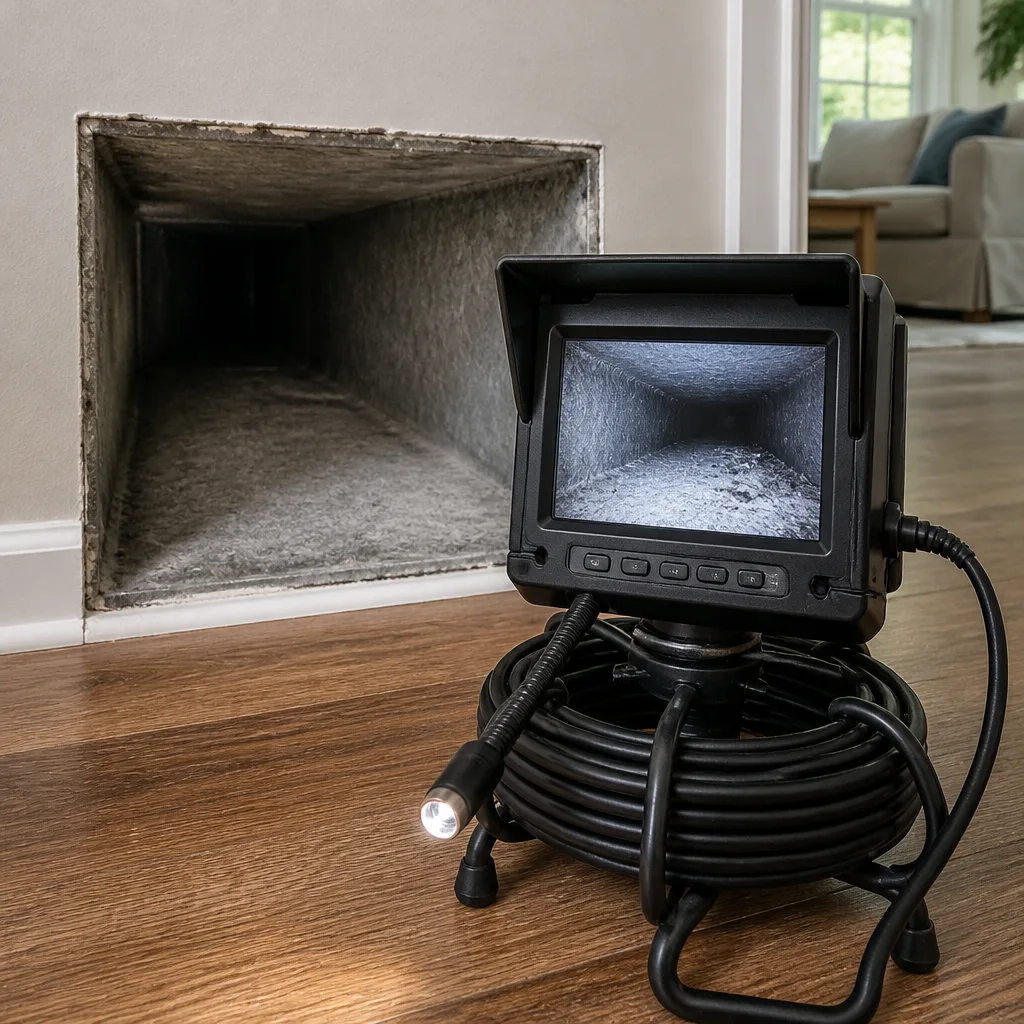 Camera inspection
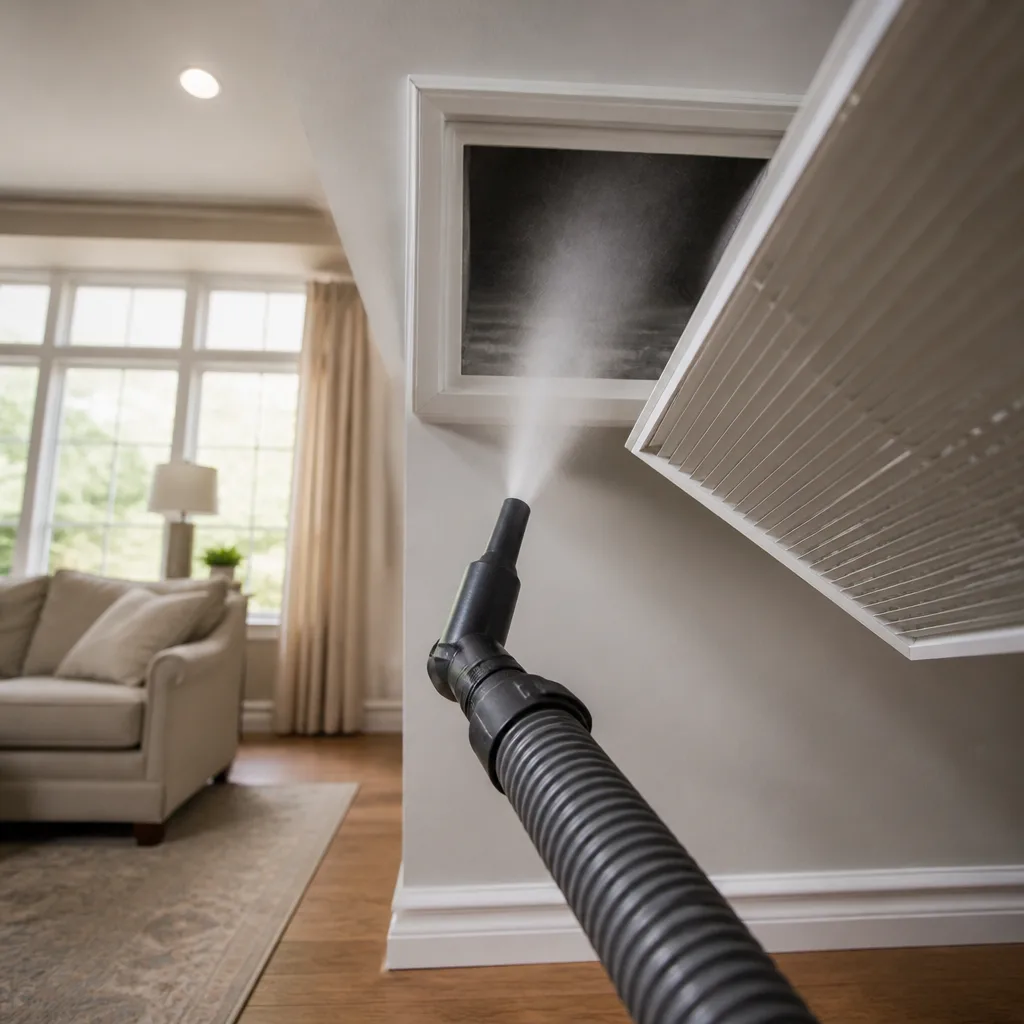 Sanitizing & deodorizing
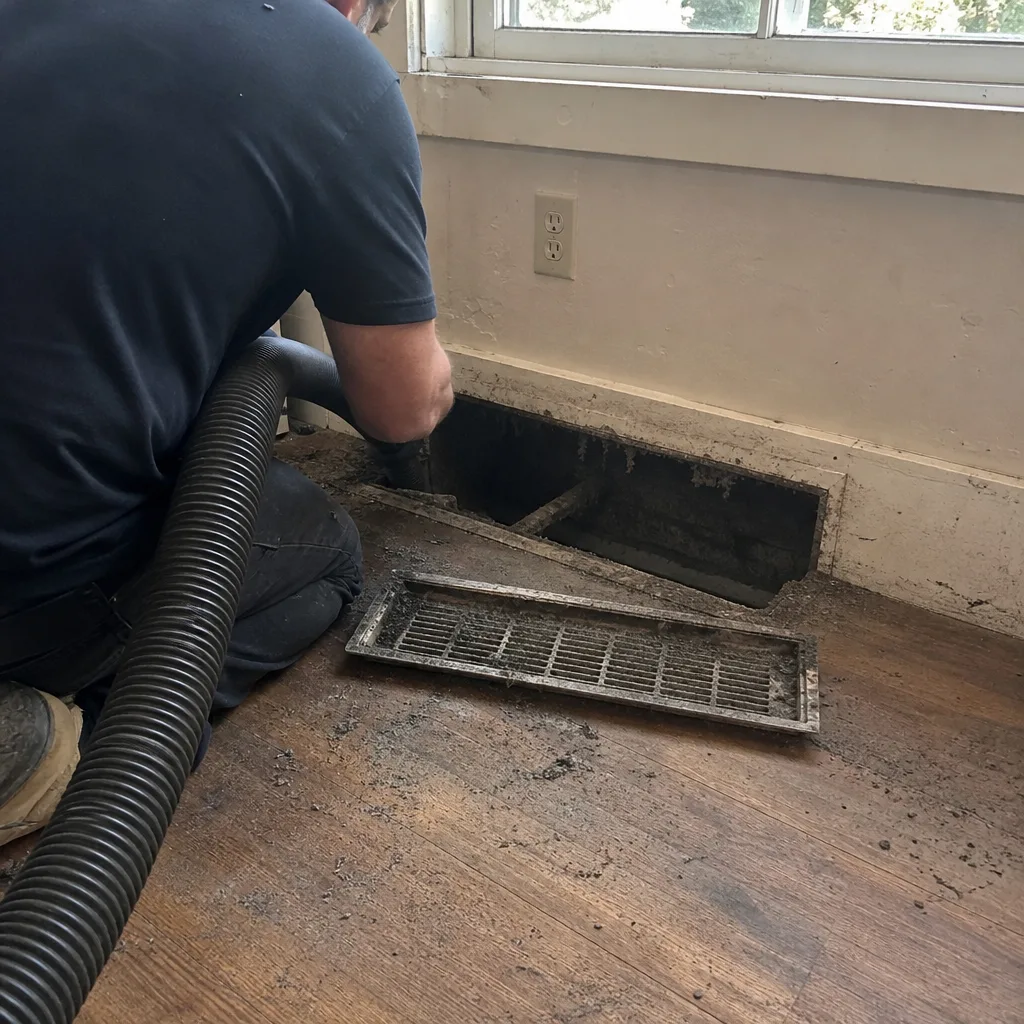
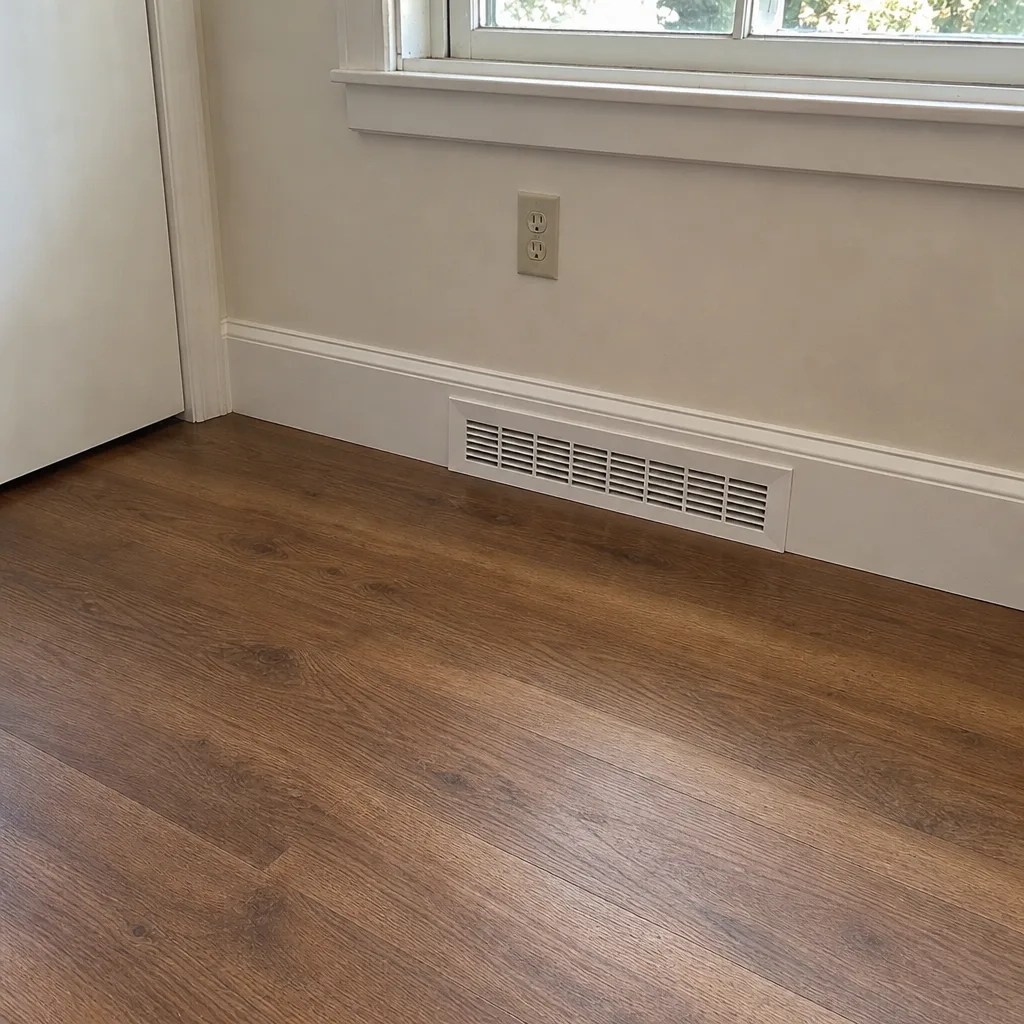
Whole-system duct and dryer vent check with before-and-after photos - you see exactly what came out of your vents
That "$99 whole-house special" is a bait ad - the real number appears once they are in your hallway, or the "clean" is a shop-vac at the register. We photograph the inside of your ducts before and after instead.
How to Hire an Air Duct Cleaning Contractor in Kent: A Step-by-Step Guide
In Washington, there’s no state license specifically for air duct cleaning. That means anyone can buy a rotating brush, rent a vacuum, print “professional” on a website, and start taking calls in Kent. The word “professional” on a truck or a homepage tells you nothing. What tells you something is the specific equipment on the truck and the specific steps in the process. This guide walks you through vetting a contractor technically, from the first phone call to the post-job walkthrough, so you can tell a real air delivery system cleaning from a brush spinning in a register for forty-five minutes.
Quick Answer
To hire an air duct cleaning contractor in Kent, ask for the specific make and model of the negative air equipment and the rotary contact cleaning tools they’ll use, confirm whether they hold NADCA certification (not just membership), require a pre-job walkthrough with system mapping and photo documentation, and compare bids by scope line by line rather than by bottom line. A credible contractor answers equipment questions without hesitation and cleans both the supply and return sides of the system. The lowest bid is usually a reduced scope, not a lower price.
Styles & brands we work with
- Whole-home duct cleaning
- Dryer vent cleaning
- Camera inspection
- Sanitizing & deodorizing
Table of Contents
- Why Washington Has No Duct Cleaning License (and What That Means for You)
- Step 1: The Equipment Audit
- Step 2: NADCA Membership vs. NADCA Certification
- Step 3: The Pre-Job Walkthrough
- Step 4: Comparing Bids Line by Line
- Pacific Northwest Red Flags
- Repair, Sealing, and Air Quality Products
- Common Mistakes to Avoid
- When to Call a Professional
- Frequently Asked Questions
Why Washington Has No Duct Cleaning License (and What That Means for You)
Washington State does not issue a license specific to the air duct cleaning trade. General contractor registration exists for construction and remodeling, but there’s no separate credential that certifies someone actually knows how to clean an air delivery system. That’s the reality in Kent and every other city in the state, and it changes the whole hiring conversation.
In a licensed trade, you can check a database before you make a call. With duct cleaning, you can’t. The vetting falls entirely on you, the homeowner, and it has to be technical. Questions about insurance and a written estimate are a bare minimum. The questions that separate a real contractor from a coupon operator are about equipment, process, and scope.
Here’s what’s at stake. A proper cleaning pulls the entire system into negative pressure, agitates the debris off every surface with rotary contact tools, and carries that debris out through a filtration unit. A weak version of the same job loosens dust into the living space and leaves the return side untouched. In Kent’s housing stock, with a mix of older homes in the Kent East Hill and Scenic Hill areas and newer construction near Kent Station, both duct systems and the dust inside them vary a lot. One process doesn’t fit every house, and an operator with entry-level equipment can’t adapt.
The good news: because there’s no license to check, a contractor who will happily name their equipment, show you photos of access points, and walk you through the process is signaling real competence. Operators who can’t answer those questions usually can’t do the work either.
Quick Answer: Washington has no duct cleaning license, so your vetting has to be technical. Ask about equipment, certification, walkthrough process, and scope before you sign anything.
Step 1: The Equipment Audit
Here’s the single most useful question you can ask a duct cleaning contractor in Kent: “What is the make and model of the negative air machine and the rotary brush system you’ll use on my system?”
A credible answer names real commercial equipment. At Kent Air Duct Cleaning Co, we run air duct cleaning with Rotobrush rotary contact cleaning systems and Nikro professional HVAC vacuuming equipment, and we use Abatement Technologies air filtration units on site. Those aren’t the only credible brands. What matters is that the contractor knows the names, because they’ve used them.
What a Credible Answer Sounds Like
- A specific brand and model for the negative pressure source (the vacuum that pulls the system into vacuum)
- A specific brand and model for the rotary contact tools (the rotating brush and whip lines that agitate debris)
- A specific brand for the air filtration or HEPA unit used to protect indoor air during the job
- How the equipment is sized to the home’s square footage and number of trunk lines
- A direct answer to “what happens to the debris when it comes off my duct walls?”
What a Red Flag Sounds Like
- “We use professional-grade equipment” with no brand named
- “It’s a special machine, you wouldn’t know it”
- A shop vac and a shop-vac-level answer about how the system gets cleaned
- No mention of a filtration unit or containment at all
Why this matters so much: a negative pressure machine that’s undersized for the run length won’t hold the system in vacuum. Debris the brush loosens ends up drifting back into registers, not out of the house. And a rotary brush without the right vacuum is a dust spreader, not a cleaning tool.
If a contractor can’t name a brand, they’ve either never used real equipment or they’re counting on you not to ask. Ask anyway.
Step 2: NADCA Membership vs. NADCA Certification
The National Air Duct Cleaners Association (NADCA) is the trade body for this work. It sets standards, publishes the ACR (Assessment, Cleaning and Restoration) standard, and offers training and credentialing. But “NADCA member” and “NADCA certified” are not the same thing, and a lot of Kent homeowners don’t realize the difference.
Membership
- An organizational affiliation. A company pays dues to join.
- Membership signals some level of commitment to the trade association, but doesn’t verify individual technician training.
Certification
- An individual credential. Technicians pass an exam and demonstrate knowledge of cleaning standards.
- Certification tells you someone on the job – not just the owner’s desk – knows what a proper job looks like.
When you ask a Kent contractor about NADCA, ask which one they hold and who on the crew holds it. A company that’s certified at the technician level has someone accountable on-site. A company that’s only a member may still do good work, but the credential itself is weaker.
A reliable contractor is happy to answer this precisely. Look for a straight answer, not deflection. If the response is “we’re fully licensed” – that’s a different category entirely in Washington, and it means nothing in this trade.
Step 3: The Pre-Job Walkthrough
Before any equipment comes off the truck, a proper contractor walks the home with you. This walkthrough is where you learn how they think, and where they discover what they’re actually dealing with. Skip it and you’re buying a price tag, not a job.
What the Walkthrough Should Include
- System mapping. The contractor traces every trunk and branch, notes where the air handler and coil sit, and identifies the supply side and the return side separately. Return-side cleaning is where blow-and-go operators cut corners.
- Static pressure check. A quick pressure reading across the air handler tells you whether the system is moving air the way it’s supposed to. A duct system doesn’t have to be visibly full of dust to be underperforming.
- Photo documentation of access points. Every access cut gets photographed before and after. You should see exactly where the contractor will open the ductwork and how it gets sealed back up.
- Register and return grille count. Count them with the contractor. It prevents the “we cleaned 12 registers” conversation at invoice time.
- Visible conditions report. Signs of pest intrusion, standing moisture near vents, disconnected flex runs, or rust inside the plenum should all be noted and photographed.
In Kent, where homes range from mid-century builds to newer construction, the walkthrough often turns up duct repairs that were never part of a cleaning quote. That’s fine if the contractor has the capability to fix what they find. It’s a problem if they don’t – a cleaning-only contractor will clean around a disconnected duct and leave it disconnected.
Step 4: Comparing Bids Line by Line
The cheapest bid in Kent is almost always a smaller scope, not a better price. This is the single most important thing to understand before you compare quotes. If one contractor is at $450 and another is at $850, you’re not looking at a $400 price gap. You’re looking at two different jobs.
Put every bid next to each other and check each line:
- Supply side cleaning: all trunk and branch lines, not just registers
- Return side cleaning: the return ducts, plenum, and return grilles
- Air handler / coil cleaning: often excluded by low bidders
- Negative pressure and containment: the equipment protecting your home during the job
- Access cut and reseal: who cuts, who seals, and with what
- Sanitizing or fogging: optional, but only if the system is actually dirty
- Repair and sealing: listed as a separate line or bundled in, and what standard it’s held to
A bid that lists “Air duct cleaning: $X” and nothing else is a bid you can’t compare. Ask for the line-item breakdown in writing, take it as a written estimate, and compare against it.
Here’s our own HVAC cleaning approach as an example: cleaning, sanitizing, repair, and sealing are separate scope lines, and duct repair and sealing capability is built into what we can do in one visit. That’s not a sales angle. It’s the difference between cleaning a system and leaving it clean, sealed, and tight.
Pacific Northwest Red Flags
The Pacific Northwest has its own set of duct-cleaning scams. Some are national, some are regional, but a few are specific to how operators work in the Seattle metro and Kent in particular.
The Blow-and-Go Operator
This is the big one. A blow-and-go crew rod-cleans the main trunk and calls it a job. Returns are skipped. Branches often aren’t touched. The system gets agitated, but the debris doesn’t leave the house. In a home with a long return run or a second air handler, the difference is significant. When you ask “will you clean the returns the same way as the supplies?” you should get a straightforward yes with no caveats.
Coupon Pricing That Inflates On-Site
A low teaser price in the paper or in a mailer becomes a much larger invoice once the technician is on site. Sometimes the extra cost is “sanitizing.” Sometimes it’s “extra registers.” Sometimes it’s a “discovery” of a problem that requires a premium fix. The fix is one flat price per system, agreed before work starts, in writing.
Fogging as a Substitute for Cleaning
A fogger is a sanitizing tool. It doesn’t remove dust, debris, or the biological growth that can form in wet ductwork. A contractor who shows up with a fogger and no negative air machine is a red flag. Cleaning has to come first; sanitizing is a follow-up step, not a replacement.
Skip-the-Returns “Efficiency”
Some Kent operators pitch returns as “unnecessary.” They aren’t. The return side is where dust sits longest, because it pulls unfiltered air through the house before the filter catches anything. A system-cleaning job that skips returns isn’t cleaning the system. It’s cleaning half of it.
Repair, Sealing, and Air Quality Products
Cleaning is the service most Kent homeowners call for. But what they often need is cleaning plus repair plus sealing, and those are three different capabilities.
Why Repair and Sealing Matter
A duct cleaning leaves the interior of the ductwork clean. If the ductwork has disconnected flex joints, unsealed trunk seams, or crushed runs, the clean system still leaks. In Kent’s older housing stock, unsealed ducts routinely leak conditioned air into crawlspaces and wall cavities before it ever reaches a register. That’s a bigger efficiency issue than the dust itself.
A contractor who can find, fix, and seal compromised ductwork in the same visit is doing a materially better job than one who cleans and leaves. Ask directly: “If you find a disconnected duct or an unsealed joint, can you repair and seal it during the same visit?”
Air Quality Products
Cleaning, sealing, and sanitizing take care of what’s in the ducts now. Long-term indoor air quality is a separate conversation about filtration and humidity control. We supply and install Honeywell and Aprilaire indoor air quality products, and those are the brands we recommend when a homeowner wants a system-level answer rather than a one-time clean.
We also offer dryer vent cleaning alongside duct work. Lint buildup in the dryer vent is a leading residential fire cause, and the vent is often the same kind of thin-flex ducting that fails silently inside walls. One call handles both, and both vents get the same equipment-grade treatment.
Common Mistakes to Avoid
- Hiring on price alone. A bid that’s half of everyone else’s is a smaller job. Compare line items, not the total.
- Skipping the equipment question. “Professional equipment” is a phrase, not an answer. Ask for brand names, every time. A Kent contractor who can’t name Rotobrush, Nikro, Abatement Technologies, or an equivalent shouldn’t get the job.
- Accepting a phone quote as a final price. A real duct cleaning price depends on system size, number of trunks and returns, accessibility, and whether repair is needed. A phone estimate without a walkthrough is a teaser.
- Not asking about returns. If the return side isn’t in writing, it’s not in the scope.
- Hiring without a written scope. Get the scope in a written estimate, with line items, and hold the contractor to it. No surprises, no on-site upsell.
- Ignoring duct repair. In older Kent homes, disconnected or crushed runs are common. Ask up front whether the contractor can repair and seal, or whether you’ll need a second company for that.
- Using a fogger as a substitute for cleaning. Sanitizing is a follow-up to cleaning, never a replacement for it.
When to Call a Professional
Call a professional when you notice a persistent musty smell coming from the registers, when dust returns to surfaces within a day or two of cleaning, when anyone in the home has allergy symptoms that get worse when the HVAC system runs, or when your energy bills creep up without a change in usage. All of those point to something inside the system that consumer tools can’t reach.
Call sooner if you’ve recently remodeled and drywall dust is in the return, if you’ve had a pest or rodent issue in the attic or crawlspace, or if you’re moving into a new home in Kent and don’t know when the ducts were last cleaned. A duct system can look clean at the register and be a debris reservoir at the trunk and plenum.
If you’re a property manager with multiple units, call sooner. Multiple systems rarely share a single failure mode, and a coordinated job is easier to schedule and photograph for records.
Kent Air Duct Cleaning Co offers free estimates in Kent. Call (877) 792-7319 to schedule an assessment. Estimates are per job and set by a written estimate before work begins.
Frequently Asked Questions
Residential air duct cleaning in Kent typically falls in a range that depends on system size, number of return lines, and whether duct repair or sealing is included. The price is set per job by a written estimate after a walkthrough, not by the number of vents. One flat price per system is the standard to insist on, with no per-vent pricing and no on-site surprises. Call (877) 792-7319 for an estimate.
Because the scope is smaller. A quote that comes in well below others usually skips return-side cleaning, skips the air handler, uses entry-level equipment, or prices per vent rather than per system. Two quotes should list the same line items; if one is missing returns and the other isn’t, you’re not comparing prices, you’re comparing jobs. Call (877) 792-7319 for a line-item estimate you can compare.
We don’t answer that, because “best” isn’t a credential and anyone claiming it can’t back it up. Instead, choose on specifics: equipment brand and model, NADCA certification (not just membership), walkthrough process, whether returns are included, and whether the contractor can repair and seal ductwork. Those are the things that separate real work from a coupon. Call (877) 792-7319 if you want to ask us those questions directly.
Both things can be true at once. Duct cleaning isn’t necessary on a schedule for every home, and there’s a national scam pattern around it. But when there’s visible dust buildup, musty odors, recent renovation, or a pest issue, cleaning the system is genuinely useful. The scam version is the blow-and-go job that skips returns and uses entry-level equipment. The real version uses commercial equipment, cleans the full system, and photographs the access points before and after. Call (877) 792-7319 to ask whether your Kent home actually needs the service.
No. Washington has no duct cleaning license specific to the trade, which means anyone can operate without training or equipment. That’s why equipment and process vetting is the whole game in Kent. Ask the make and model question, ask about NADCA certification, and require a walkthrough with photos. Those three answers tell you more than any license number could.
For homes with dust, pollen, and debris in the system, yes, it can help reduce the load of particles the HVAC system pushes into living spaces. Kent’s mix of wet winters and dry summers means the system pulls in different debris seasonally, and if the ducts are holding a reservoir of accumulated material, the system keeps re-circulating it. Cleaning removes that reservoir. Sanitizing after cleaning handles organic growth. Duct repair and sealing stop exterior air from getting into the system in the first place.
Ask for the negative air machine brand, the rotary contact tool brand, and the air filtration brand, all by name and model. A credible answer will include something specific, like Rotobrush for rotary contact, Nikro for source-removal vacuuming, and Abatement Technologies for on-site filtration. If a contractor can’t name any of those or equivalents, that’s a red flag. Call (877) 792-7319 if you want to compare equipment and process before booking.
The Bottom Line
Kent has no licensing requirement for air duct cleaning, so the vetting has to be technical. Ask about specific equipment brands and models, ask about NADCA certification versus membership, require a pre-job walkthrough with system mapping and photo documentation, and compare bids line by line rather than bottom line. The best air duct cleaning contractors in Kent will clean both supply and return sides, use professional-grade negative pressure and rotary contact equipment, document their access points, and can find, fix, and seal compromised ductwork in the same visit. Repair what others leave broken. Clean it. Seal it. Sanitize it. Your ducts move air through every room, and what’s in them matters.
If you want an honest, equipment-based assessment of your Kent home’s system, start with Kent Air Duct Cleaning Co and ask the questions above. We answer 24/7. Fast dispatch from 7am to 7pm, Sunday through Friday. Call (877) 792-7319 for a free estimate. The local pro is licensed and insured as their state requires, one flat price is agreed before work begins, and you get before-and-after photos of your own ducts.
If you’re scheduling duct work and want the dryer vent handled in the same visit, mention it when you call. Our technicians have up to 8 years of experience, and every job starts with a walkthrough, not a coupon. If you’ve read this far, you already know the questions to ask. Call (877) 792-7319.
Written by the team at Kent Air Duct Cleaning Co.
See the difference
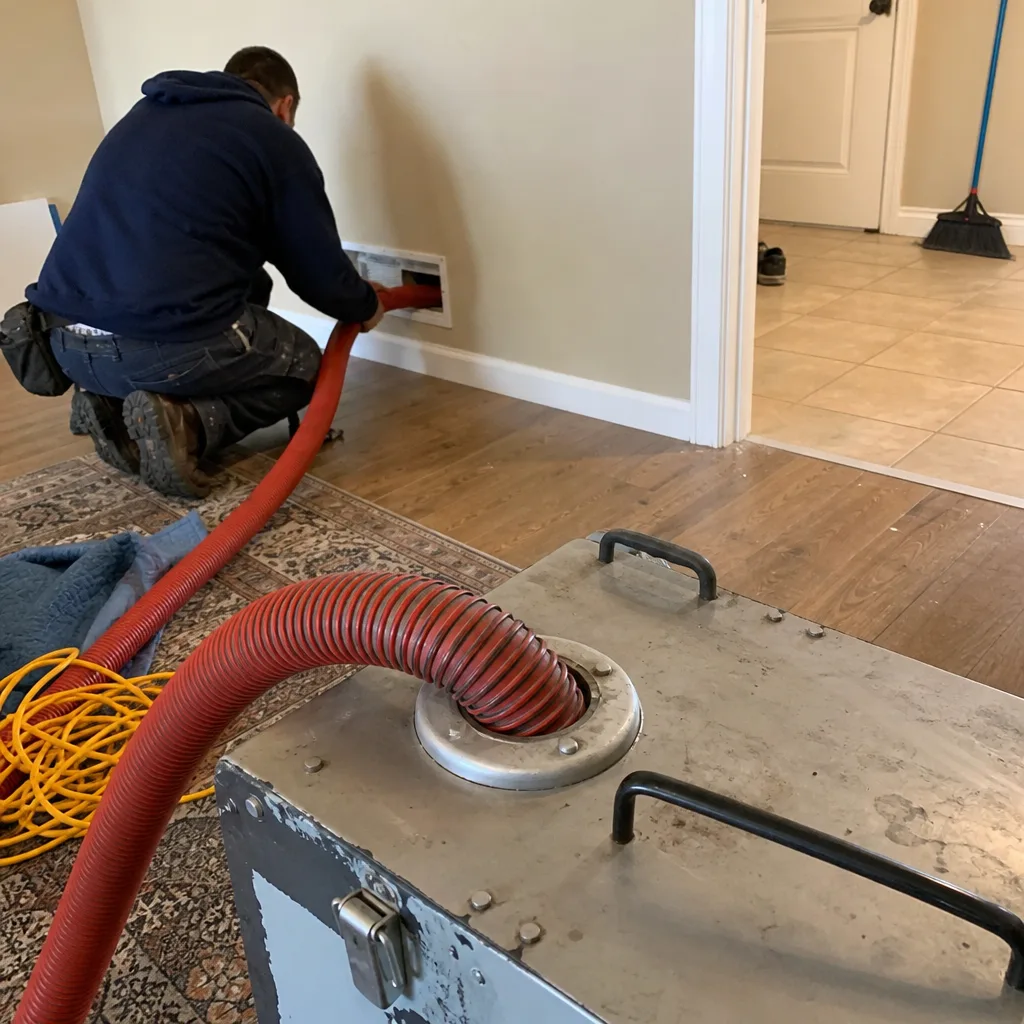 Before
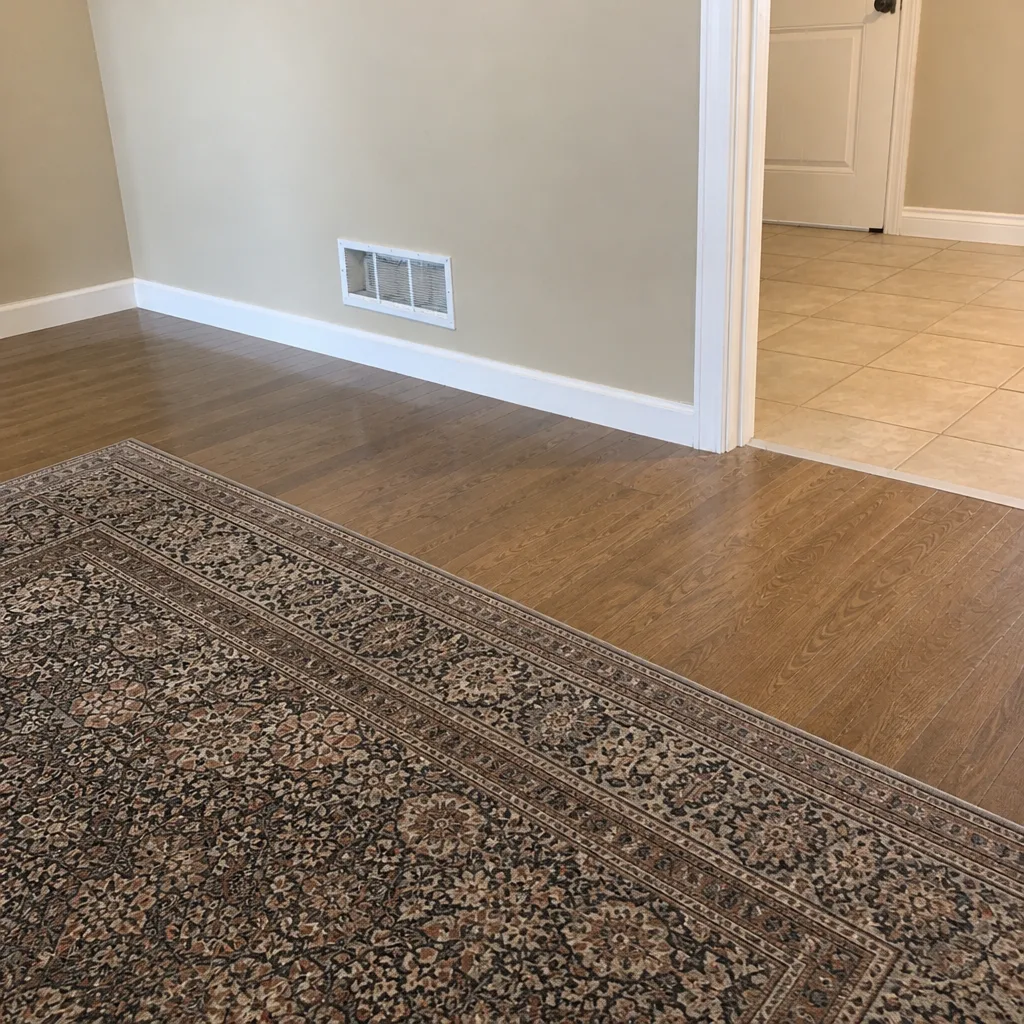 After
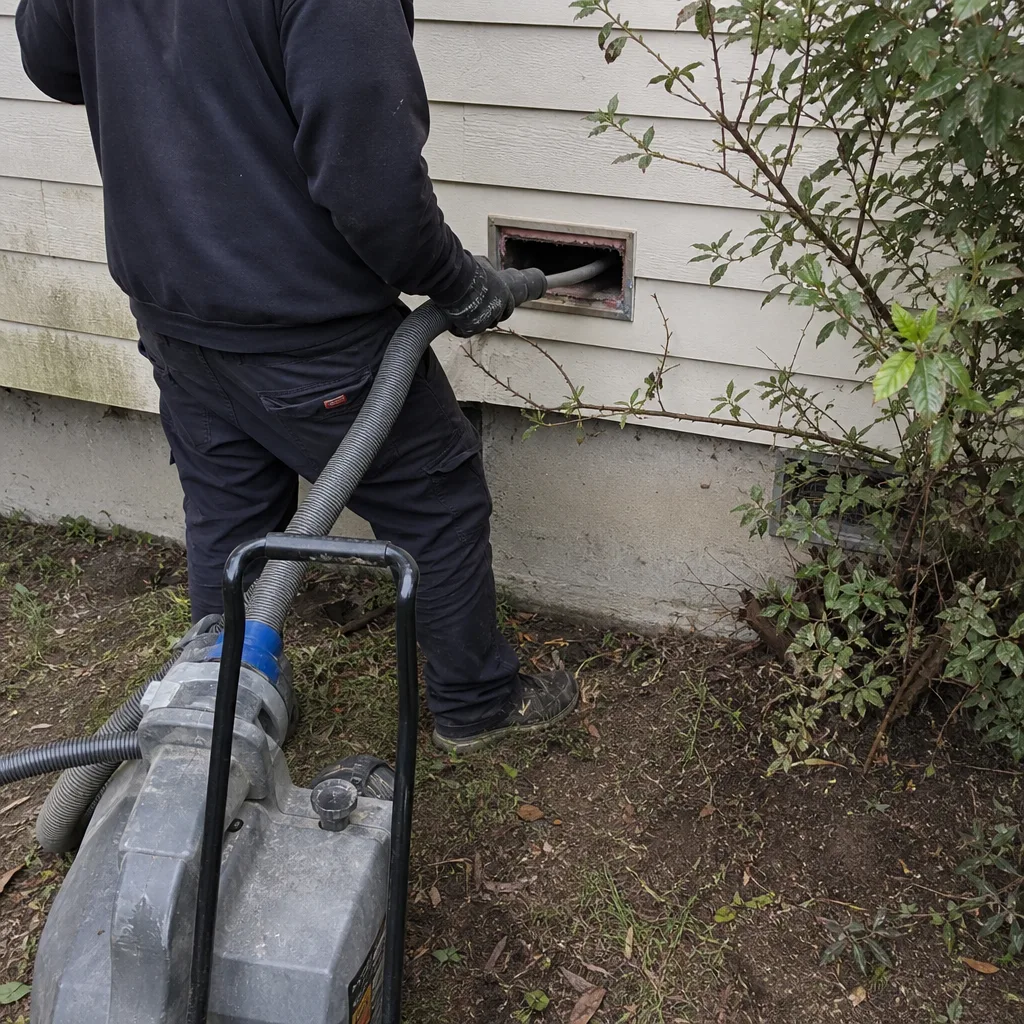 Before
 After
 Before
 After